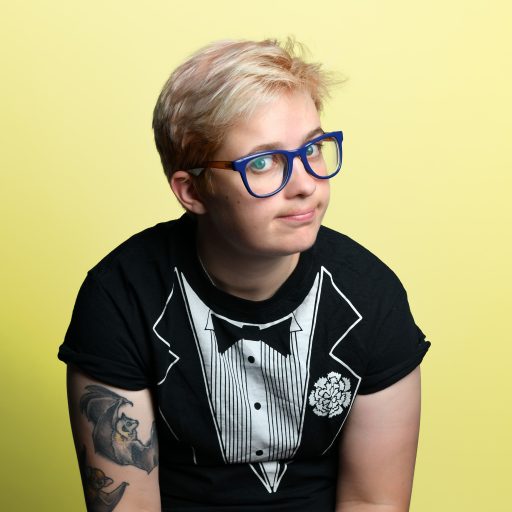


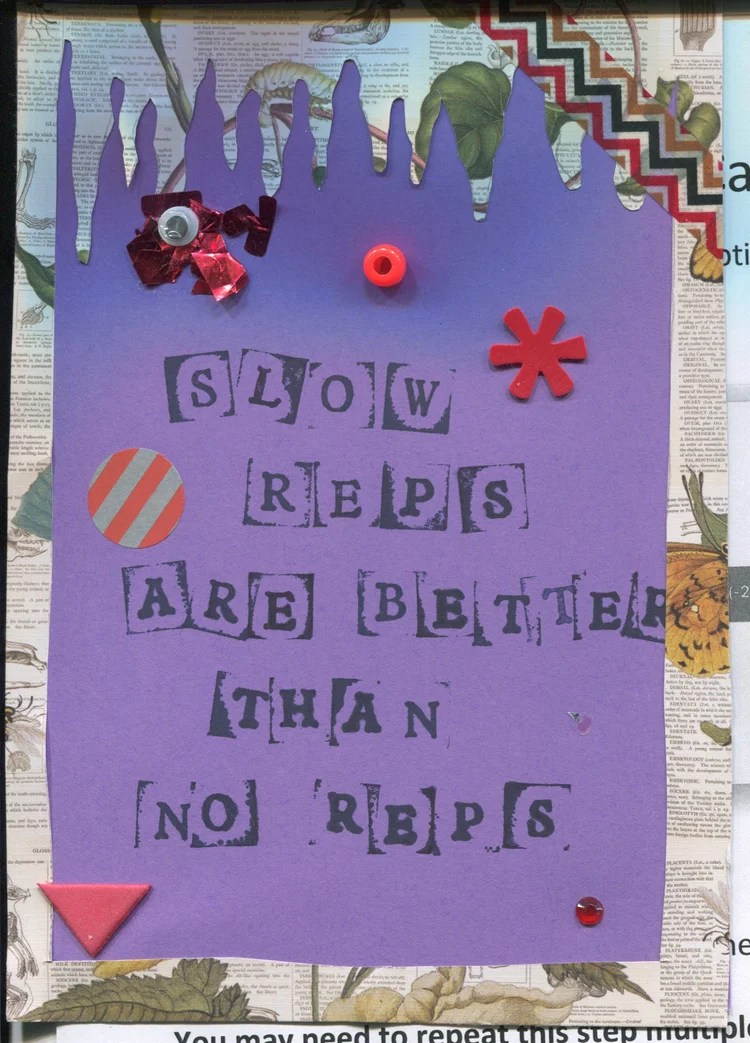
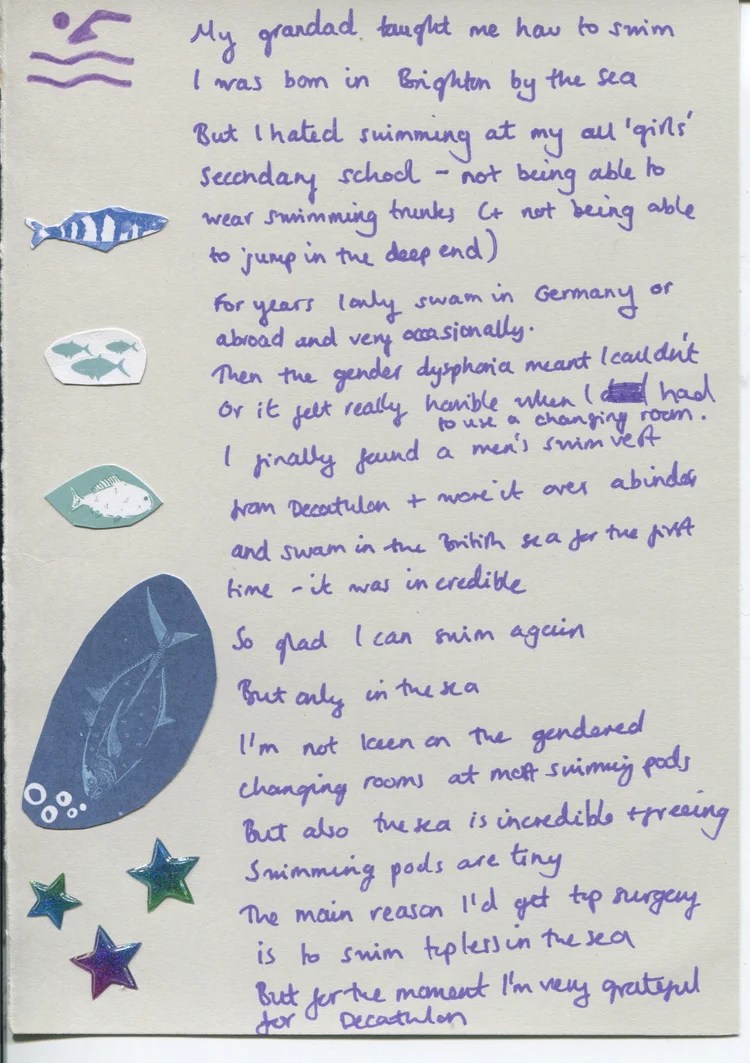
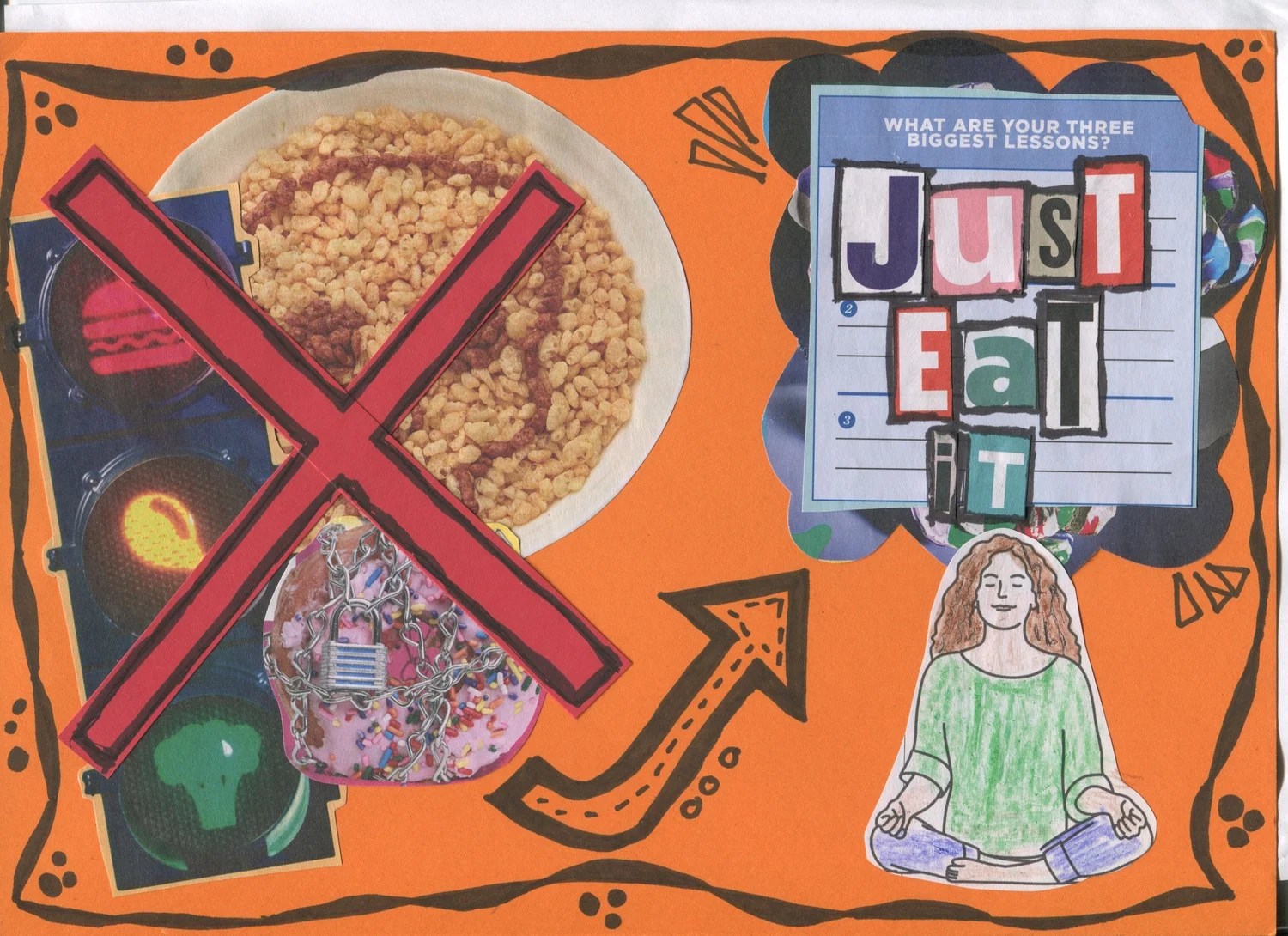
If you’ve seen the show, you’ll know I have a complicated relationship with sports. I’ve never been very good at them. I’ve never enjoyed doing them. I’ve always felt a lot of pressure to participate anyway. I have had to unlearn society’s expectation of being a certain kind of fit and healthy. I have tried to relearn enjoying being in my body and doing physical things because I choose to, not because I feel I have to. I have come to accept that I might just (sort of (maybe)) be a sportsperson.
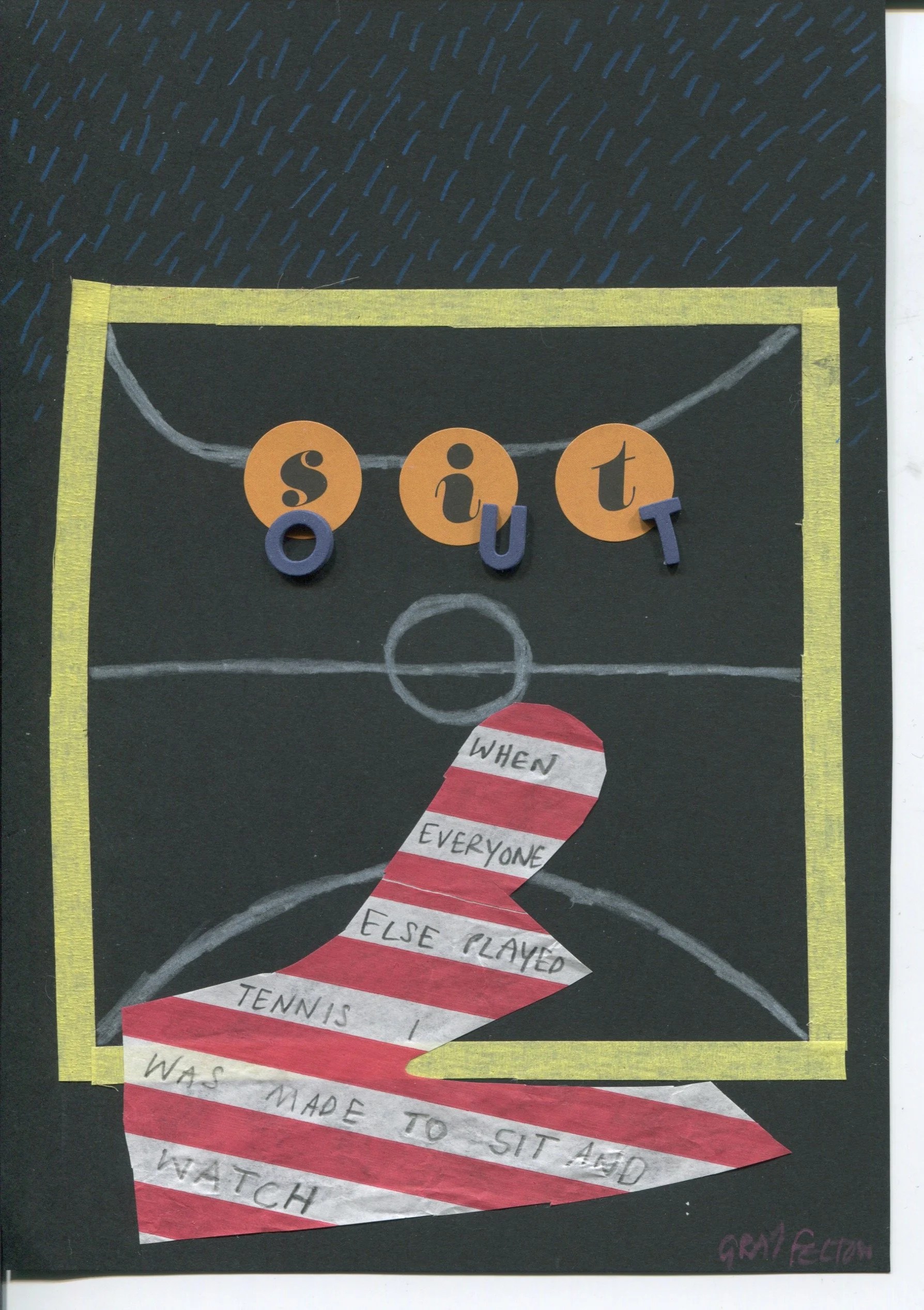
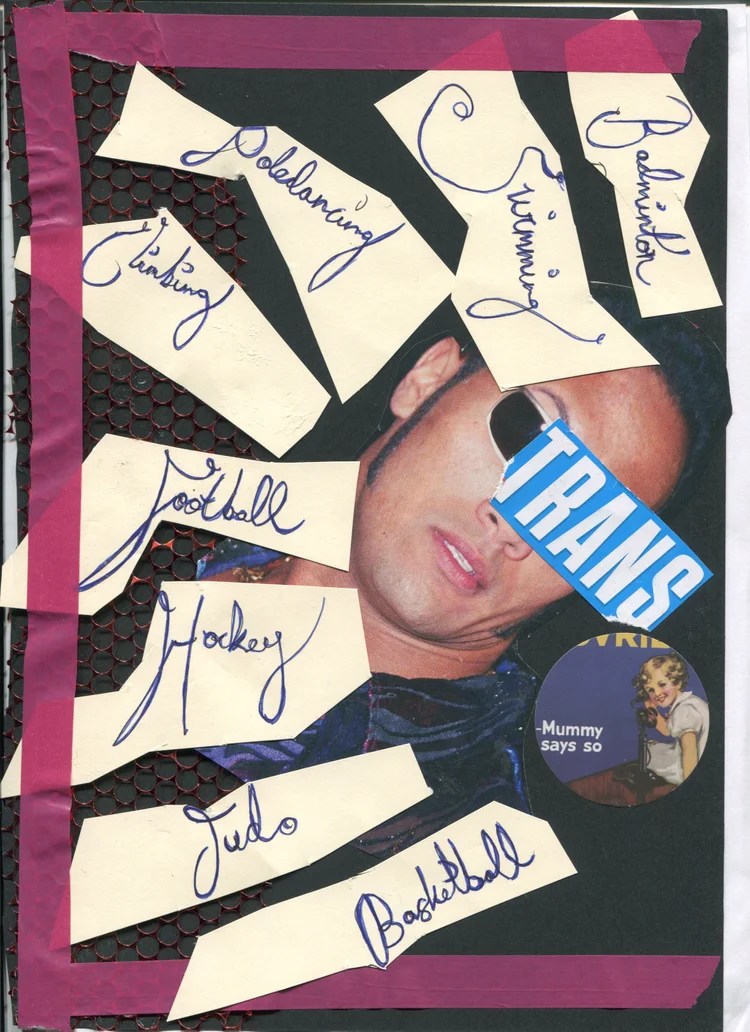
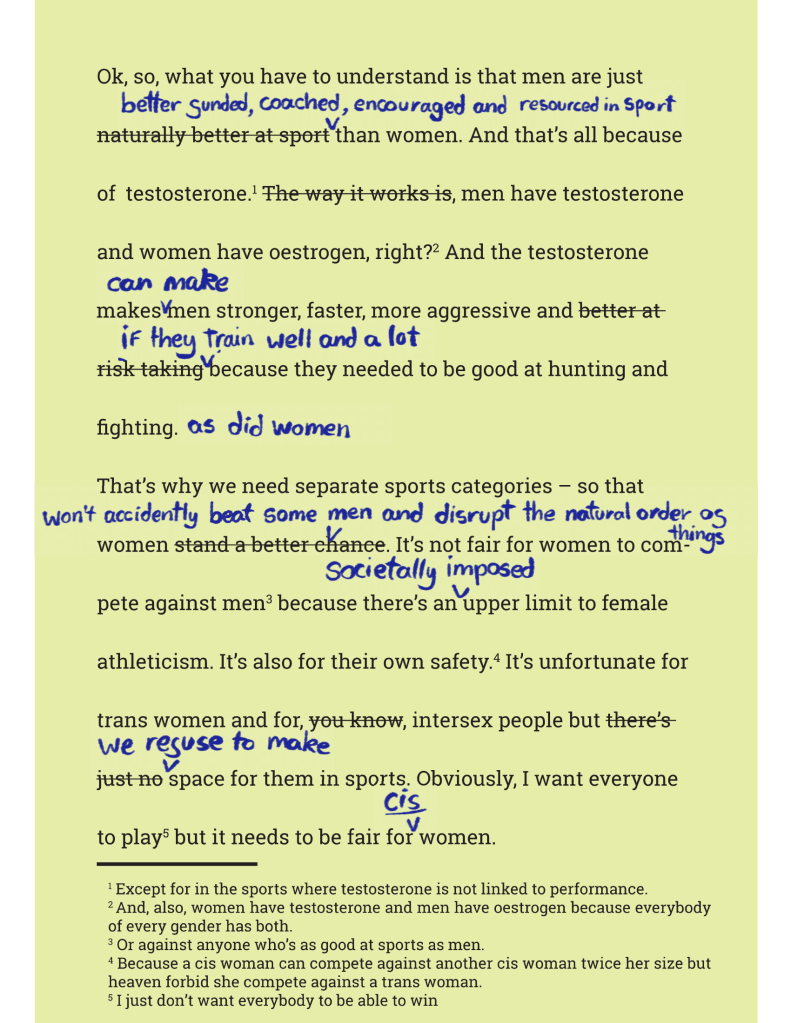
A lot of my discomfort around sports is to do with gender. I wasn’t kidding when I said you need a gender to play every sport. When I signed up for the Ealing Half Marathon, I had to specify whether I was male or female. There were no other options. I had to pick a side. It was the same when I signed up to be a referee or wanted to use the changing rooms at the gym. When I played badminton, I was told “women play at the front, men at the back” because you play in a mixed team and the roles are determined by who people think you are not your skill set or size.
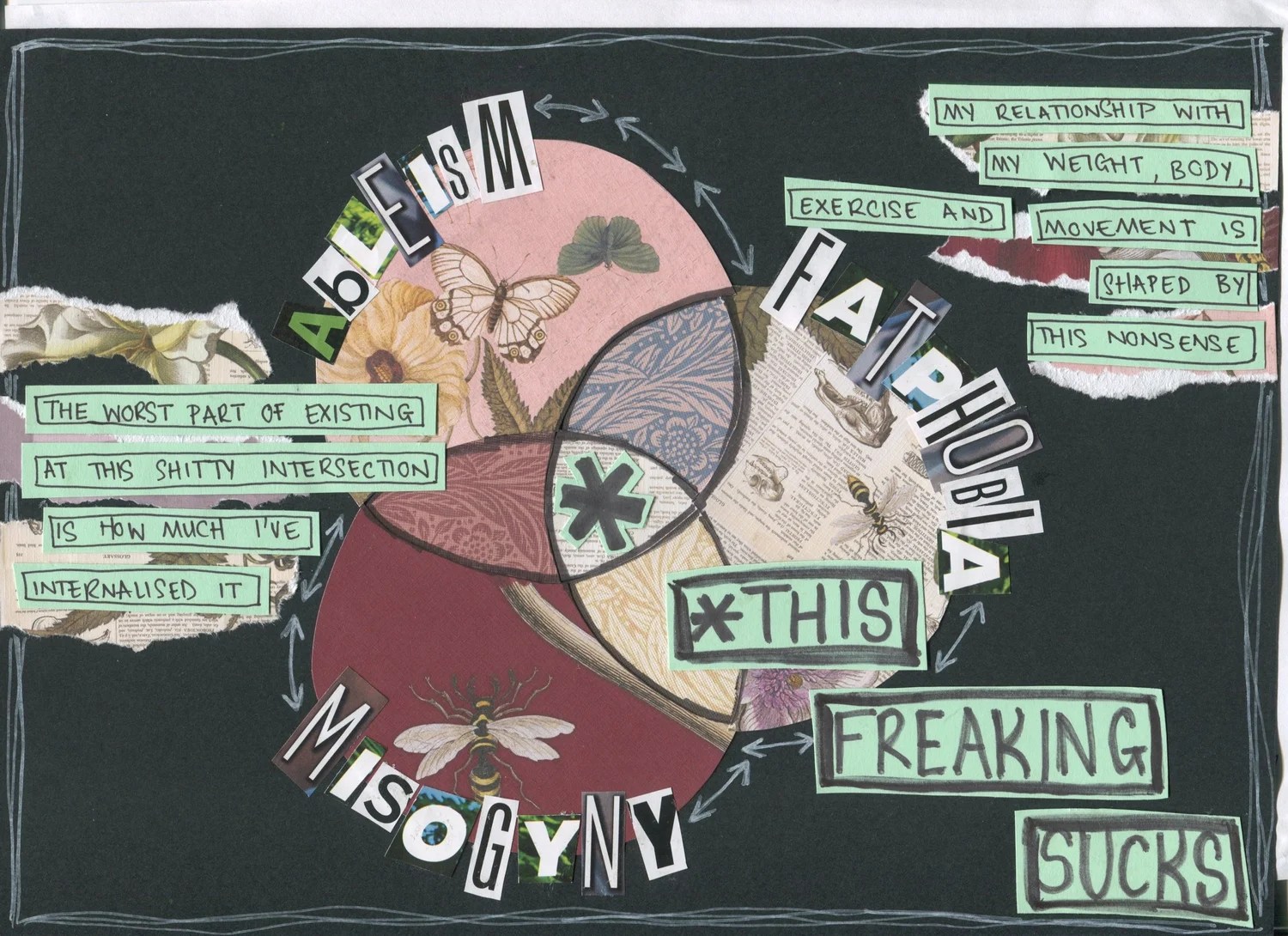
I feel the rules of gender most keenly when playing sport. Whether I’m talking about sport or being shut out of conversations about sport or trying to play sports and being heckled whilst playing or buying sports clothing and being chafed or constantly having to pull my shorts out of my bum, I feel wrong. I feel too much and too awkward. I feel like everybody is looking at my big, red, sweaty face and secretly thinking that I’m ridiculous and delusional. Because of sport I know there is a certain kind of masculinity I can never obtain, because it’s the kind you have to be invited into. Because of sport, I know that I am not, nor will I ever be, feminine. Because of sport I know that I do not fit.
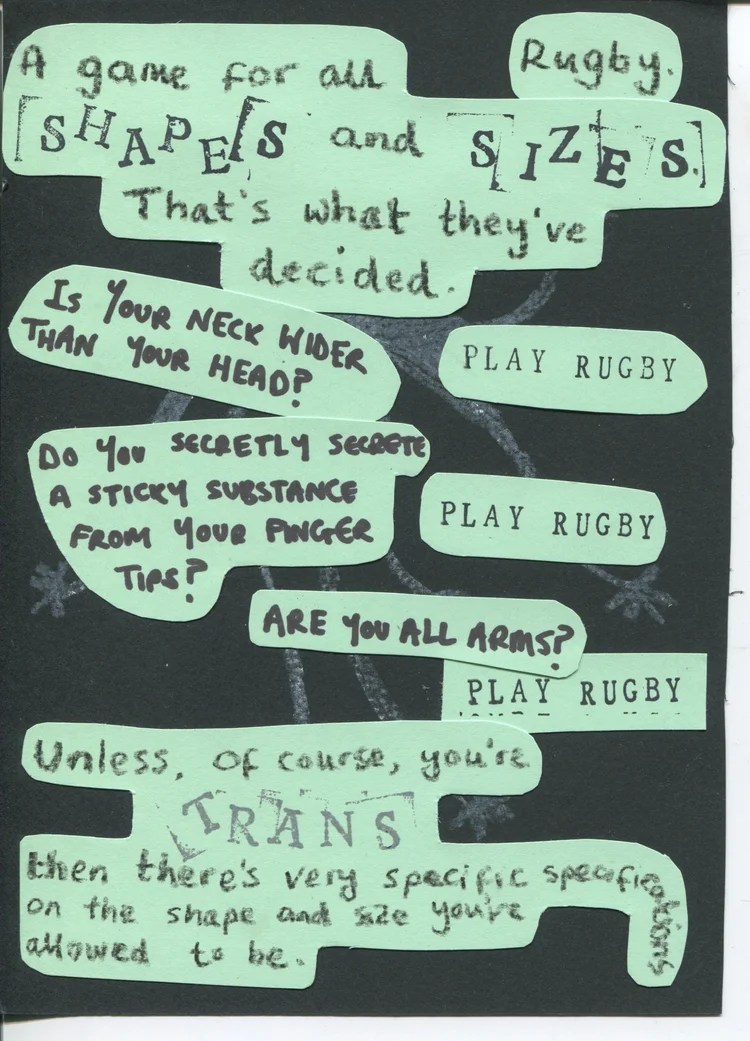
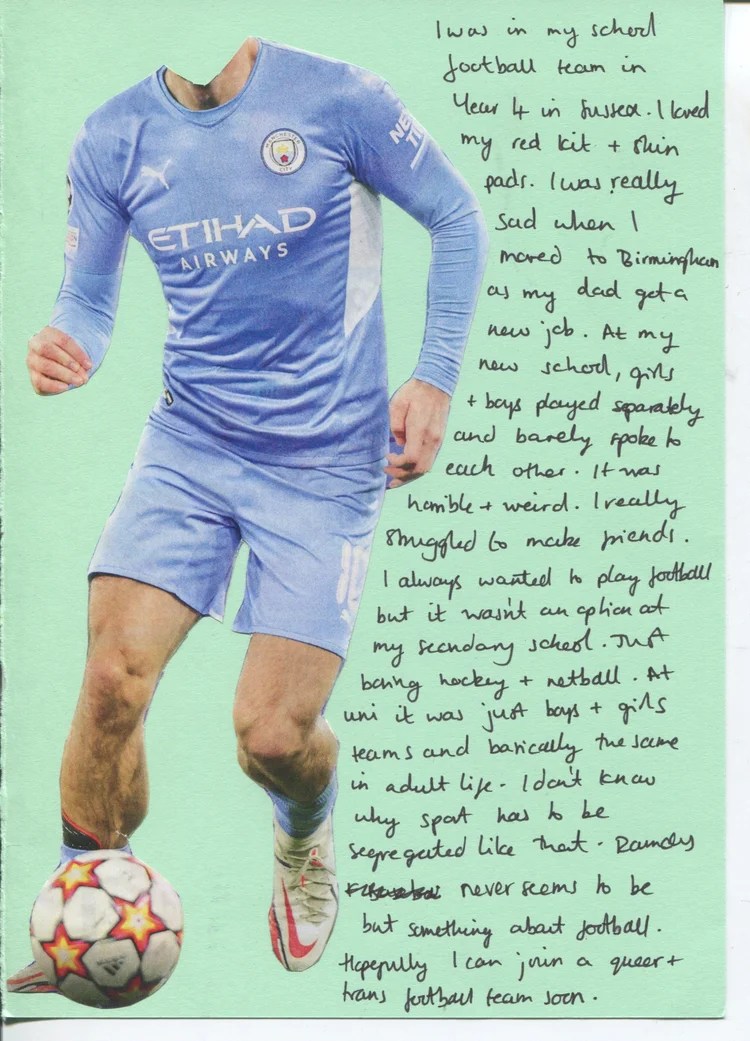
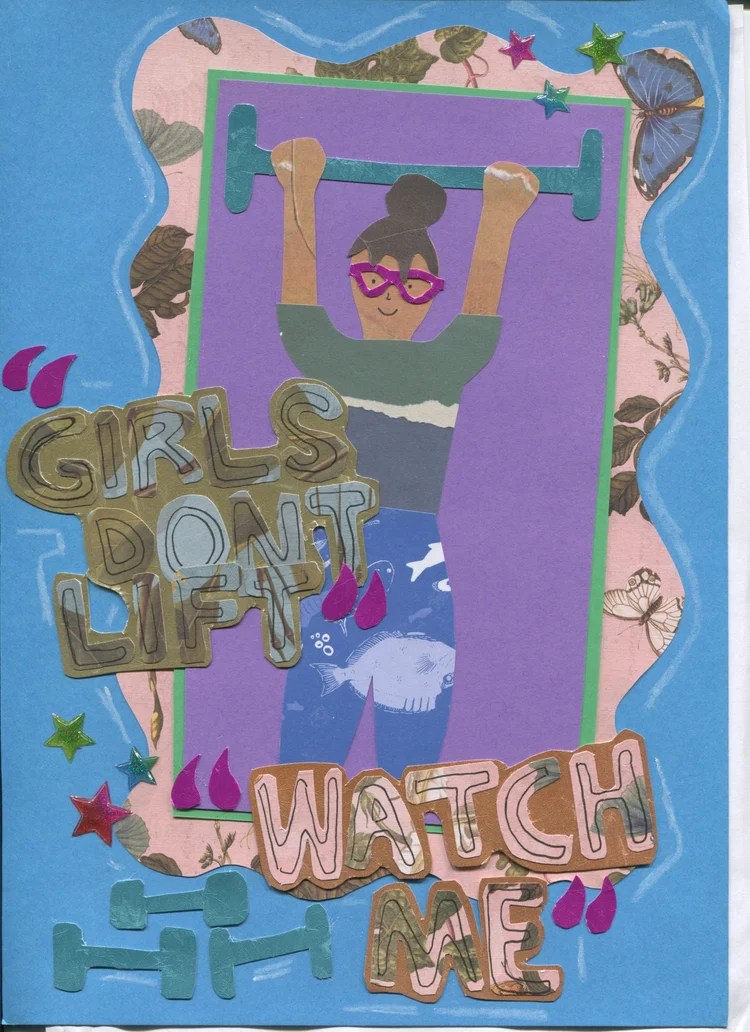
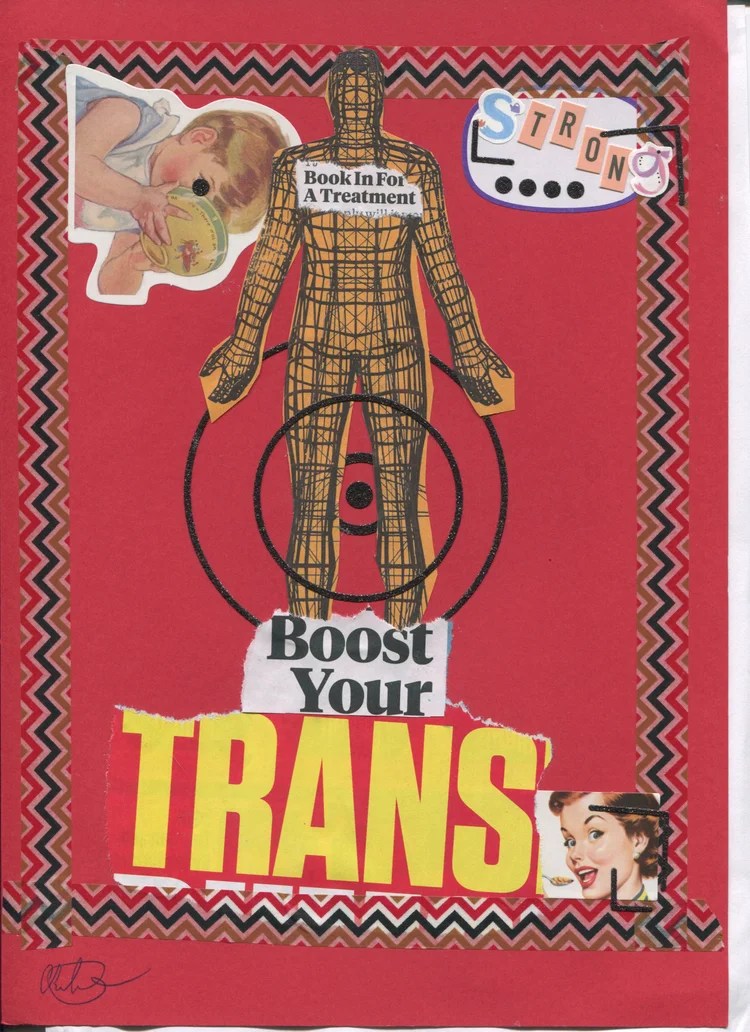
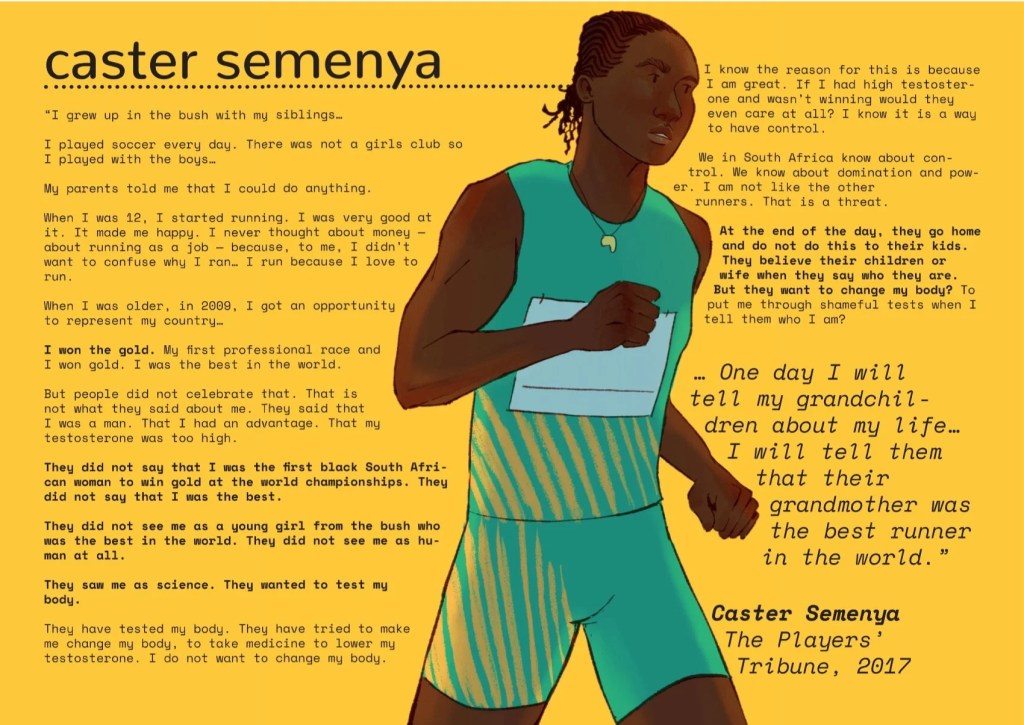
In many ways this is because sport has been designed to enforce gender norms. Sports have been invented and developed and funded to help instil the correct values of masculinity in little boys and police the bodies of (trans, cis and intersex) women and people who exist outside or move within the gender binary. The separation of gender in sport helps to reinforce the idea that women are inherently weaker and slower than men and that women who are strong and fast are actually not women at all. Sports get to be exempt from gender equality policies. Sports get to define what it means to be a woman. Sports get to force people to change their bodies, sometimes irreversibly, just so they’re eligible to play.
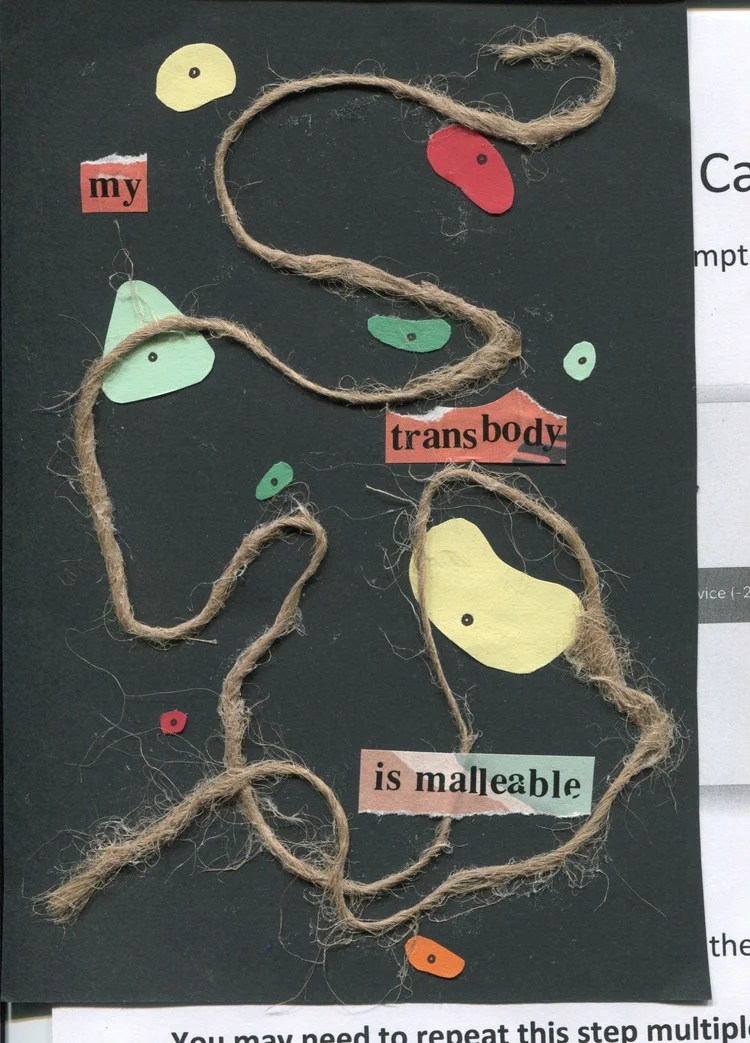
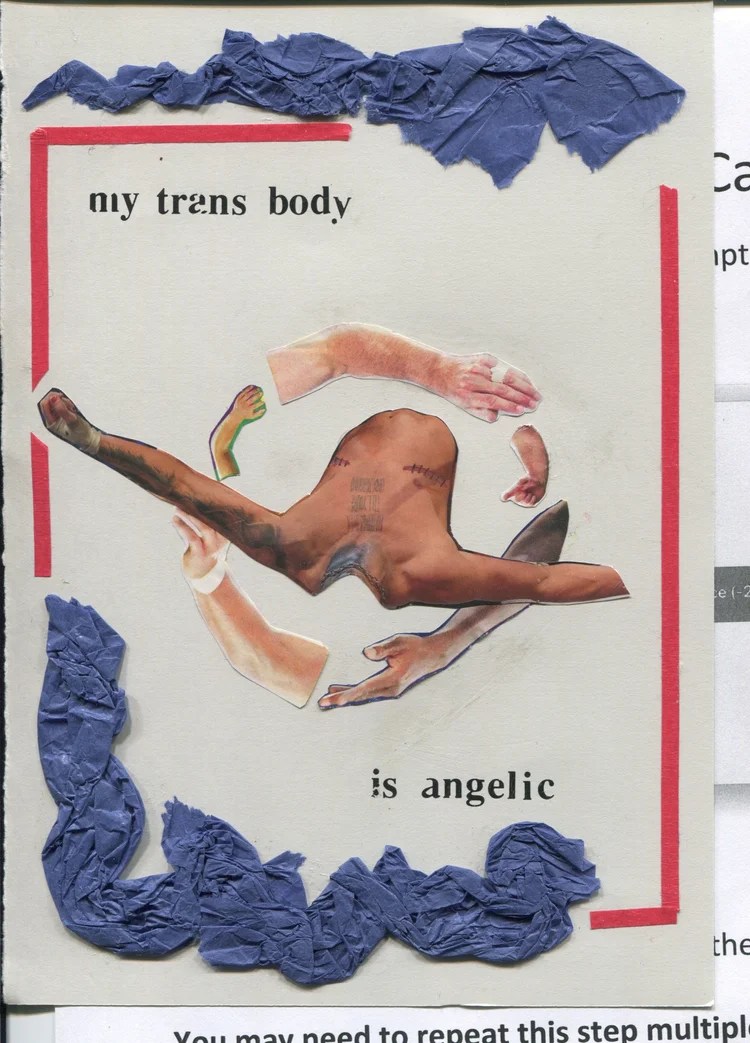
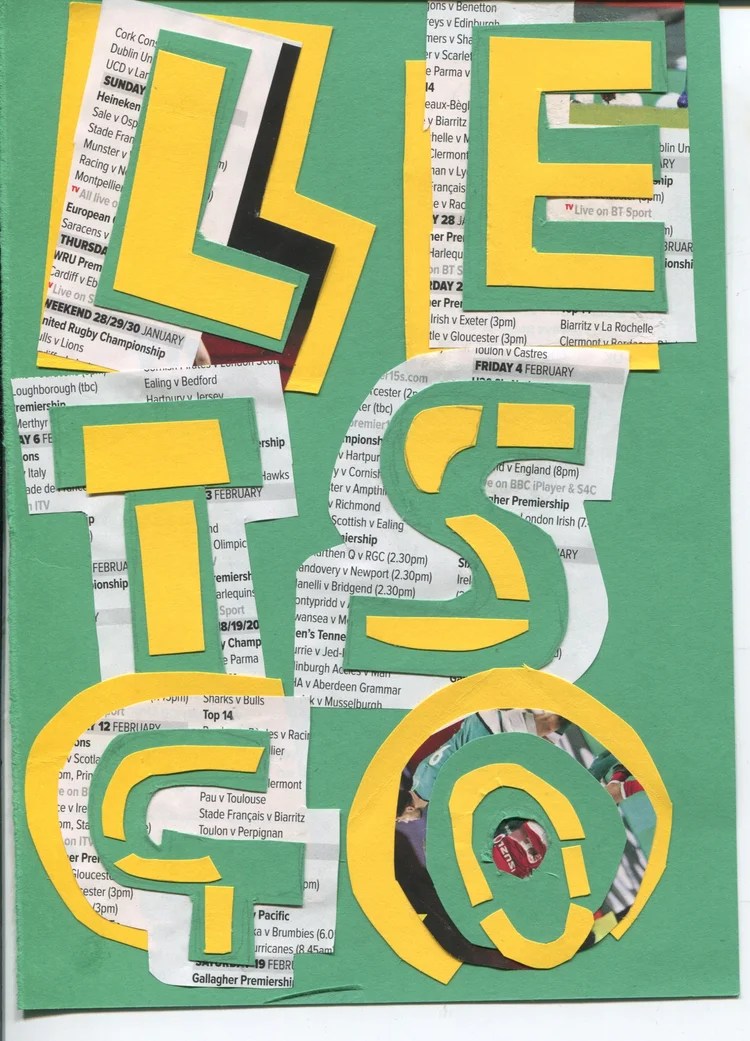
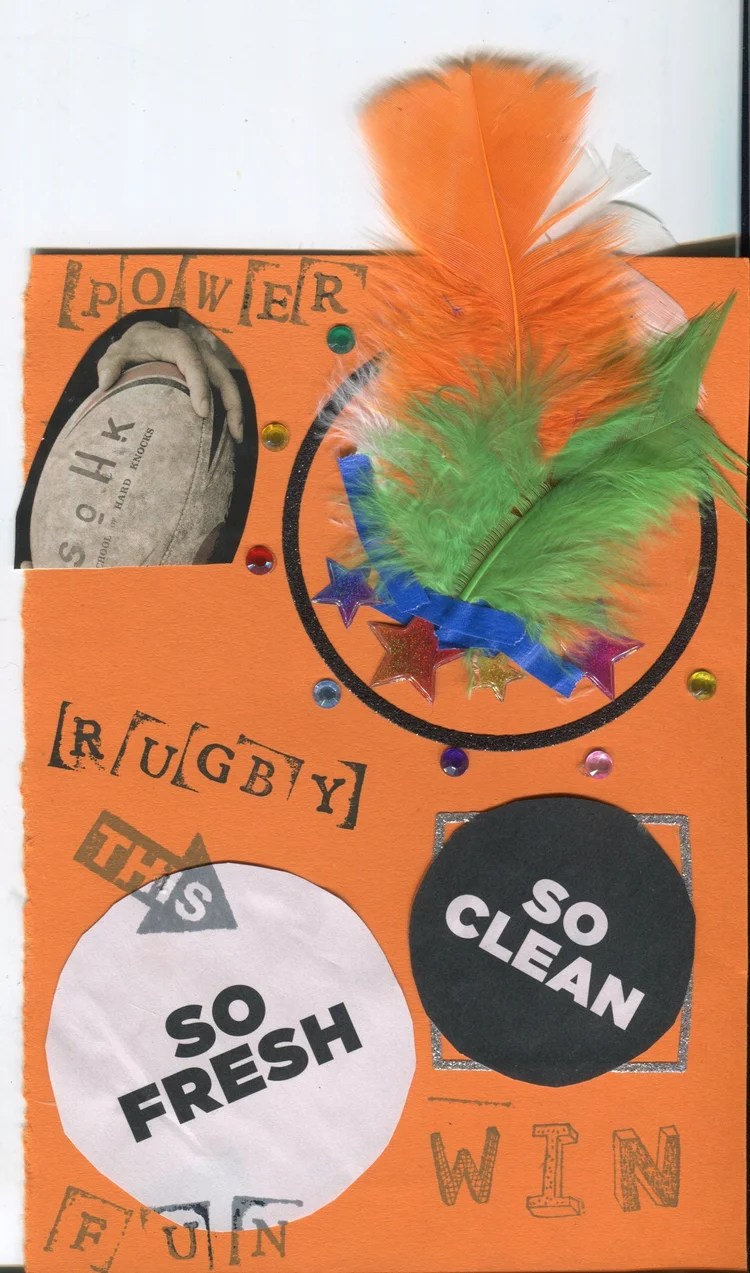
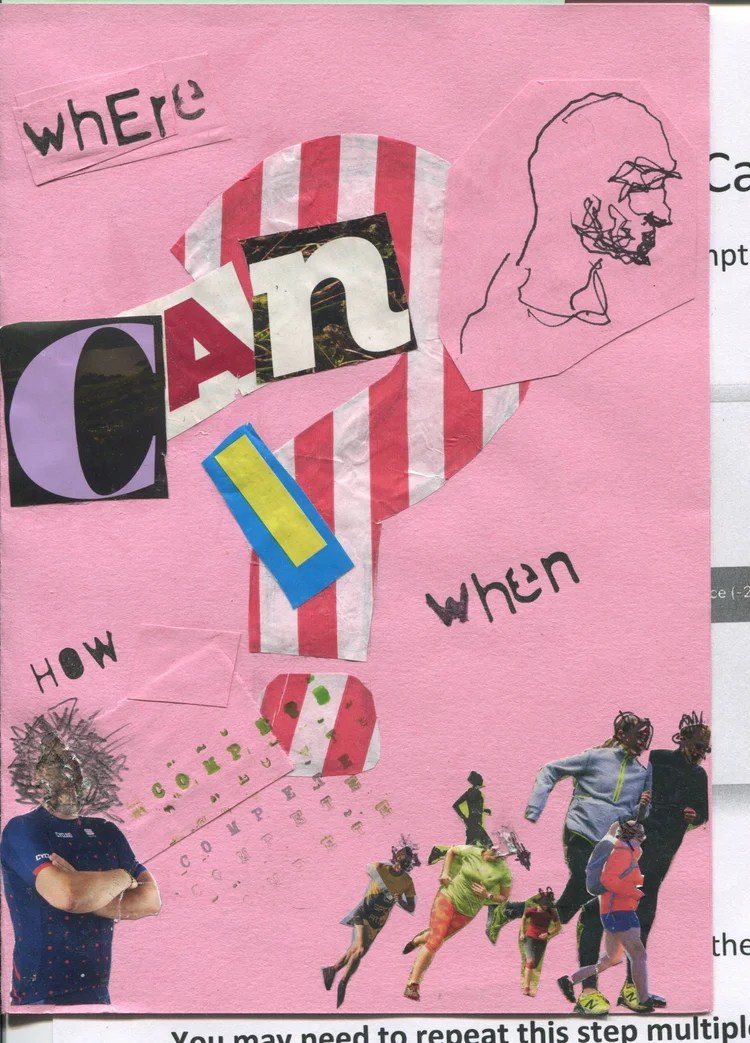
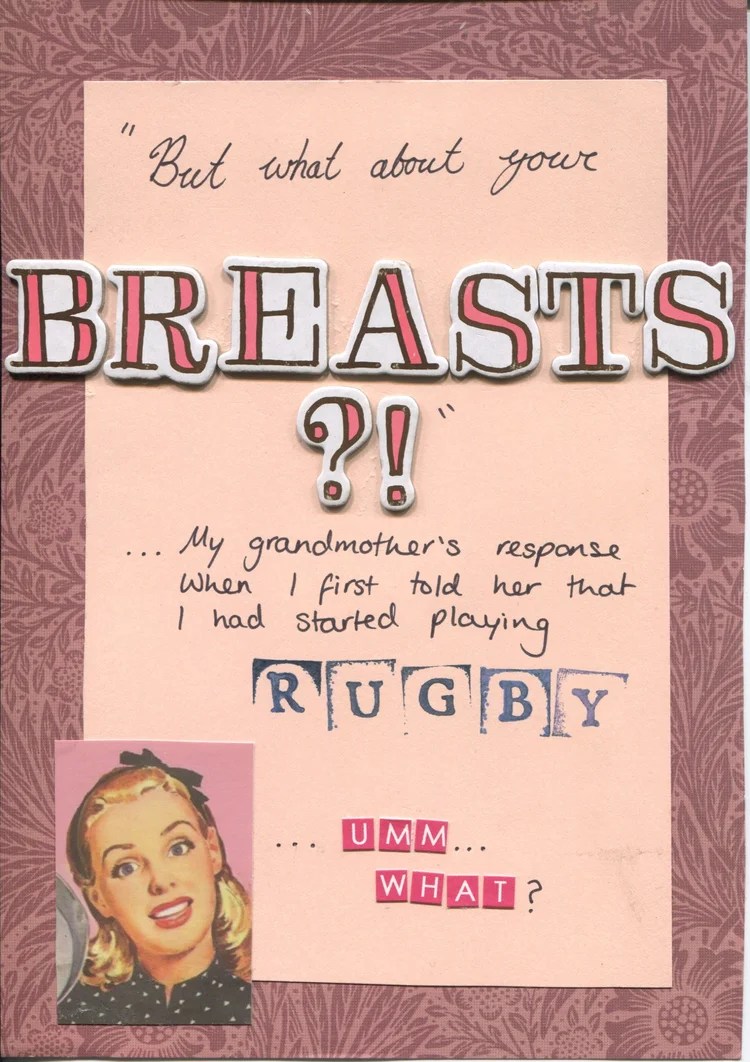
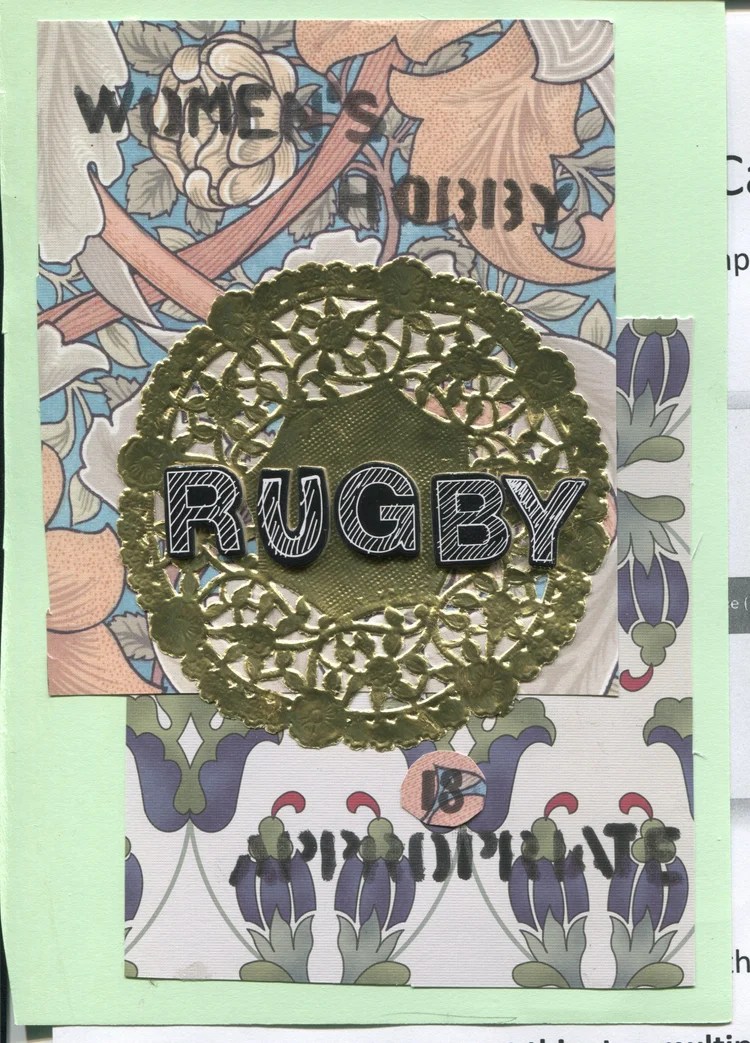
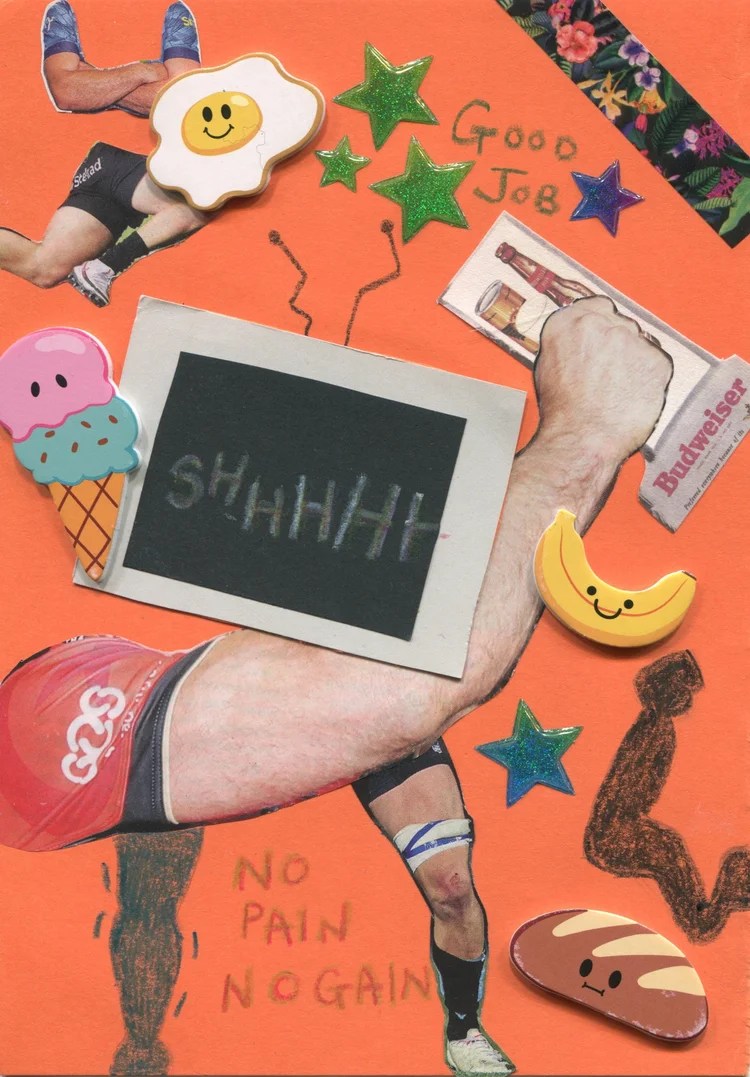
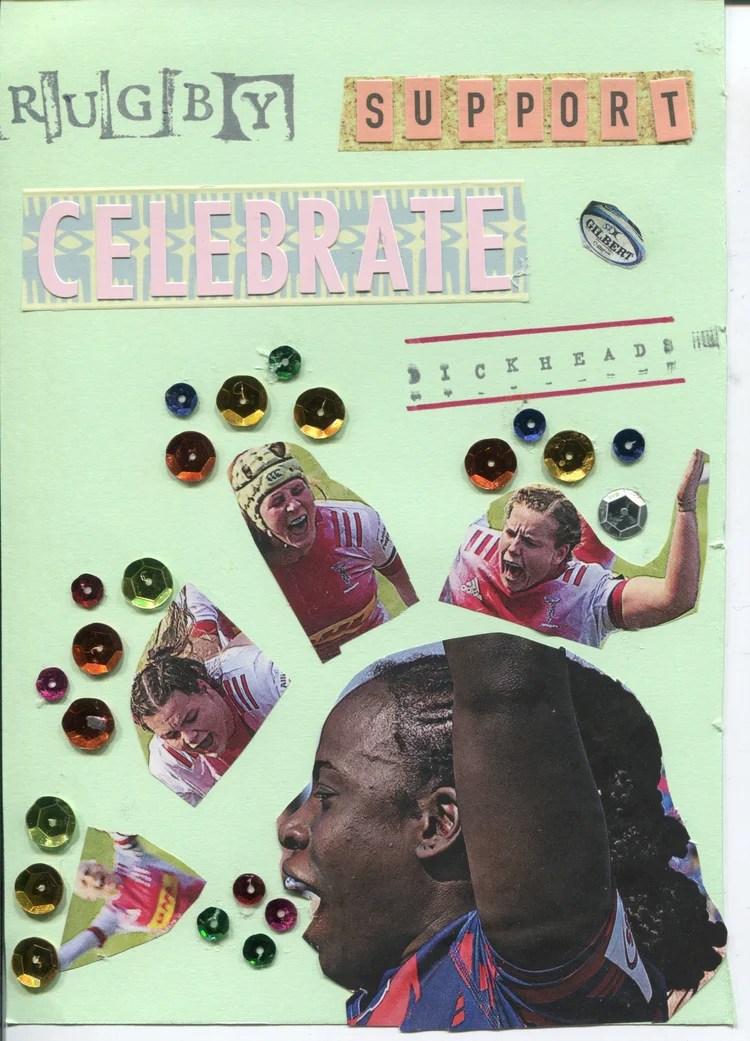
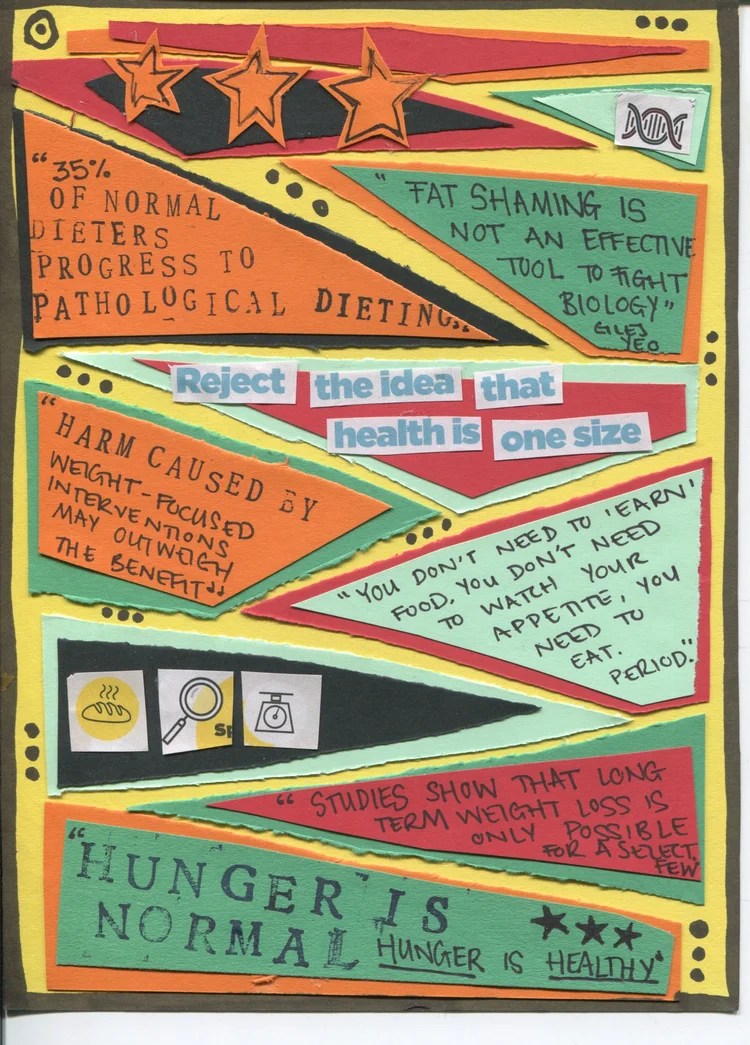
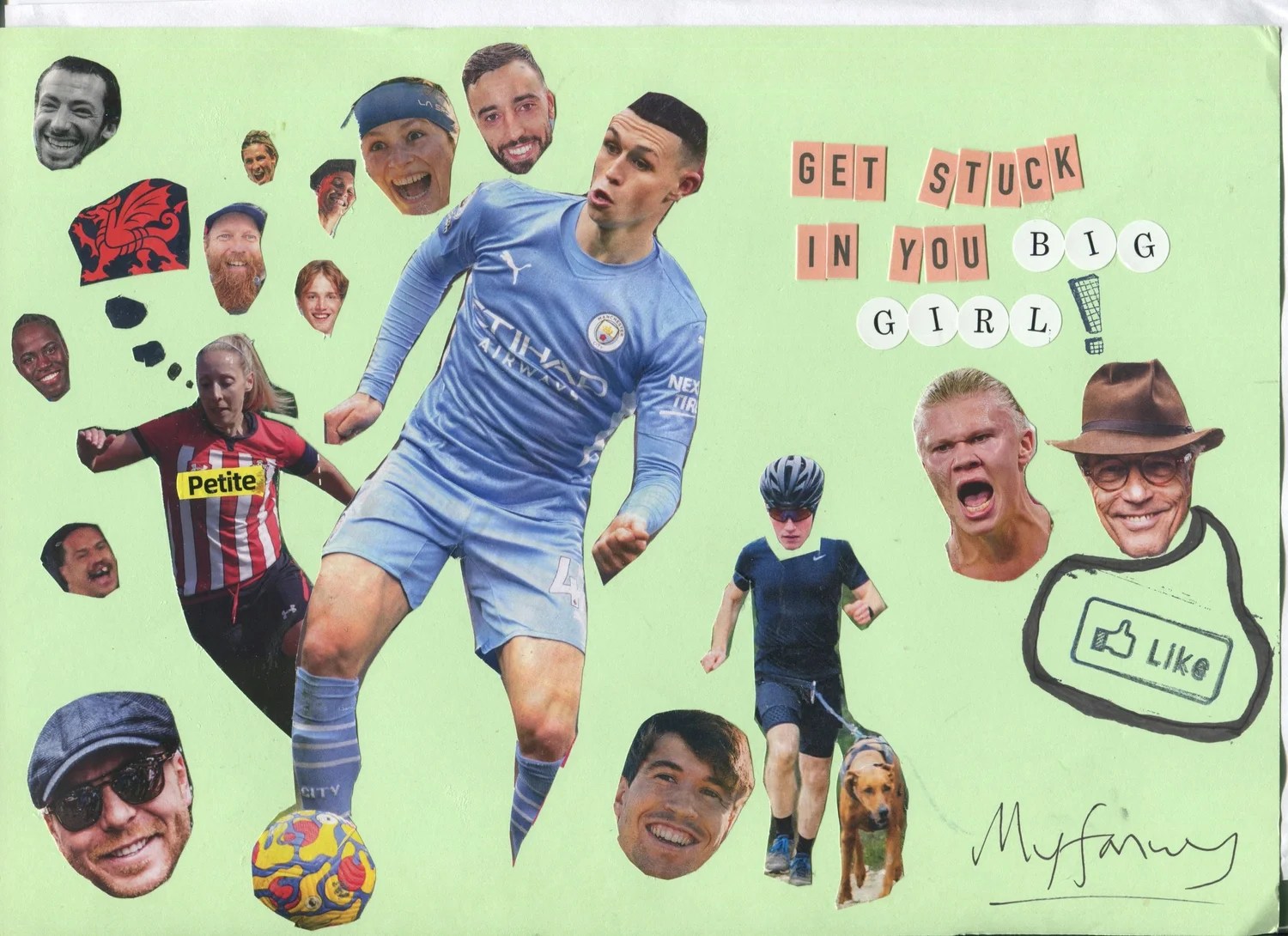
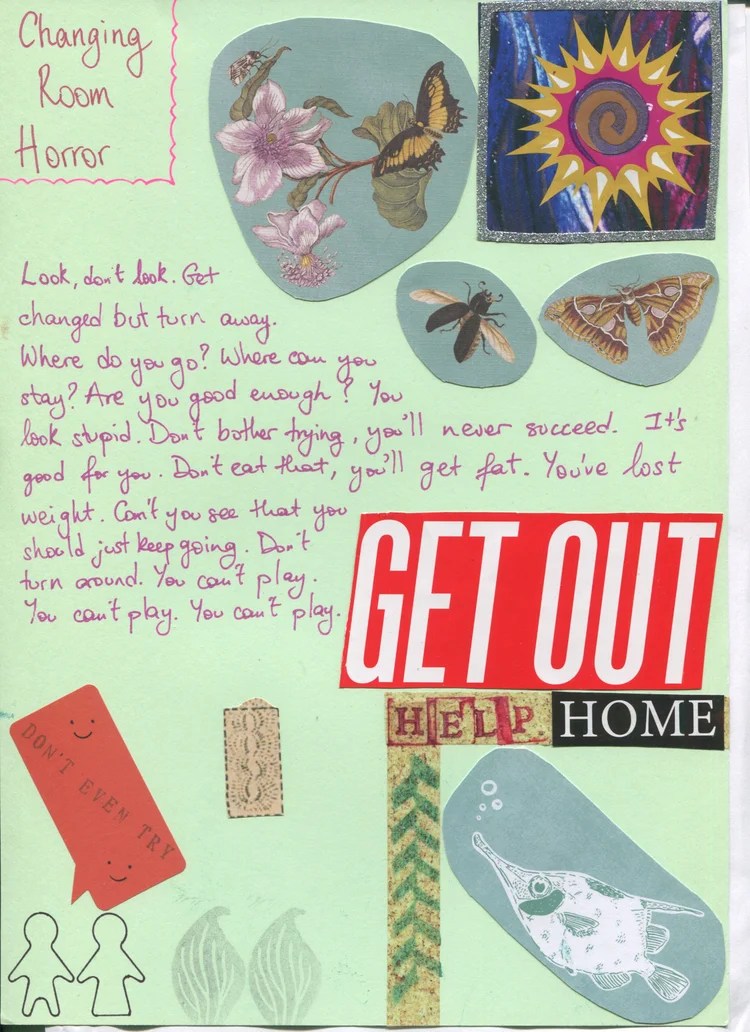
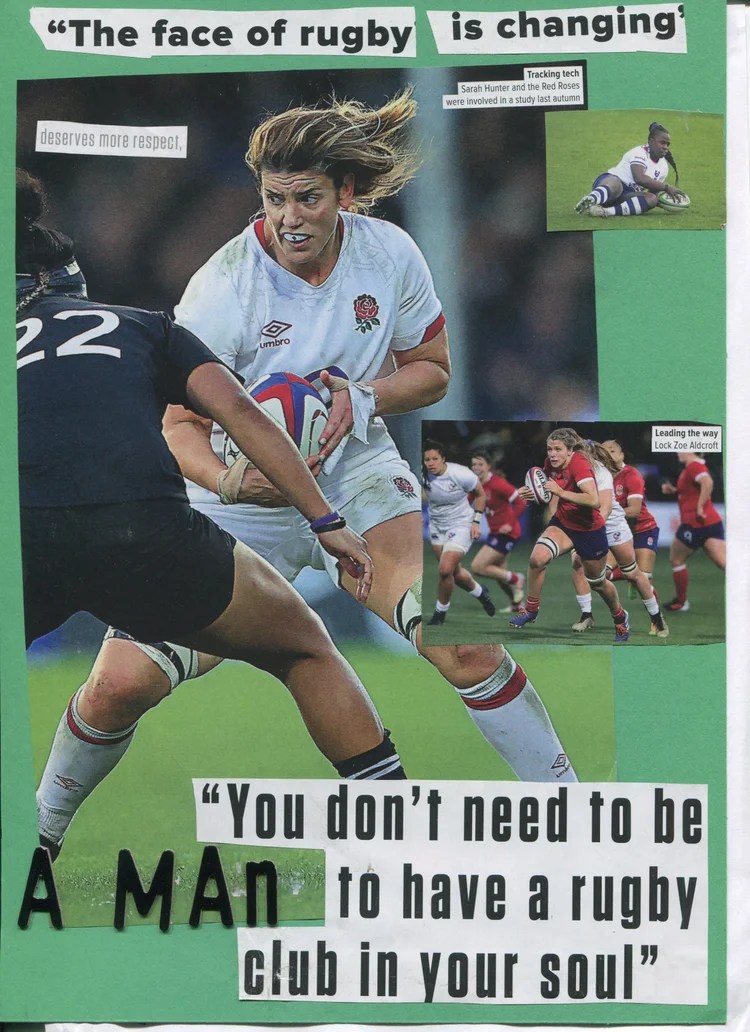
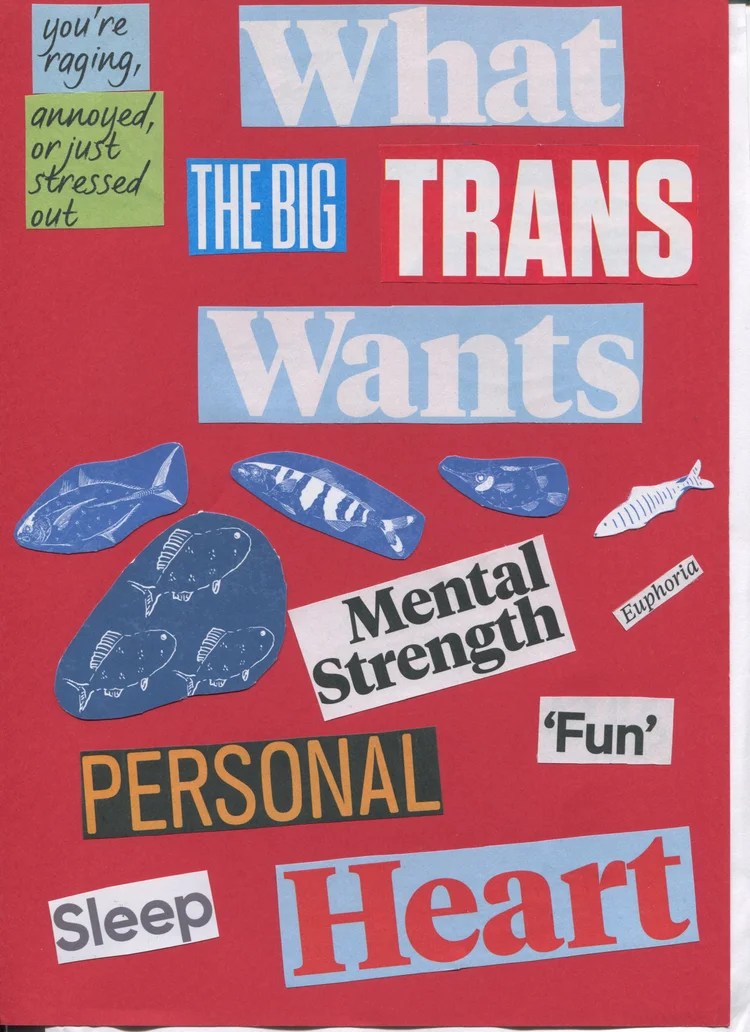
As part of developing Sportsperson, I wanted to work with other people to explore the problems and barriers that gender creates and enforces in sport (and that sport creates and enforces in gender) but also try to understand why some of us still want to participate in organised sports. I came together with trans sportspeople (and trans very much not sportspeople) as well as the Kilburn Cosmos Ladies rugby team, many of whom who are cis, to express the intersection between gender and sport. The art created across three zine workshops records our thoughts on how it feels to not be allowed in, to have our bodies monitored and controlled when we’re just trying to play but also what it feels like to connect to your body and be a part of a team.
If you love sports, like I apparently do now, then I hope you enjoy this zine and that it inspires you to help make sports a better, more inclusive space.











TIMELINE
Pre 1800s: sports exist everywhere in many different forms
1800s: sports are a tool for teaching boys masculinity now that their fathers are in the factories and not the farms. If girls are permitted to play, they must play different, softer sports.
1896: first modern Olympics, no events for women.
1936 Berlin Olympics: Helen Stephens wins the 100m and is accused of being too manly if not an actual man. However, she passes a behind doors sex test.
1948 London Olympics: female athletes required to have a certificate of femininity.
1960s: reacting out of fear of Communist totalitarian regimes eroding gender roles and cheating, the West pushes for doping and sex testing and regulation.
1966 Budapest European Championships: women required to parade naked for a panel of female doctors in order to confirm their femininity. 6 athletes from the Eastern bloc withdraw from the competition. Similar tests described at other competitions across ‘66 and ‘67.
1968: IOC introduces the Barr Body test and it is used in various forms to identify several athletes with intersex variants but no men pretending to be women.
1977: Renee Richards sues the USTA for requiring athletes to pass this test before competing in the US Open. The NY Supreme Court rules in her favour, determining testing to be discriminatory and a human rights violation.
1991: IAFF abandons sex testing because athletes now have to pass urine in front of doctors for anti-doping tests and so cannot hide their genitalia.
1992 Albertville Winter Olympics: PCR testing is used to identify male DNA sequences, however it is later suspected of causing multiple false positives due to a flaw in design.
1999: IOC stops routine sex testing, largely due to costs, but still tests on a case by case basis.
2003: first policies governing trans athletes introduced. IOC requires athletes to have undergone sex reassignment surgery, have legal recognition of their gender and have been on hormones for two years.
2009 Berlin World Championships: Caster Semenya runs the 800m too quickly and too masculinely.
2015: After protests from Chris Mosier et al., the IOC modifies guidelines such that trans women must now declare their gender, not change it for 4 years and have testosterone levels lower than 10nmol/L. Surgery is no longer required.
2021: several trans and non-binary athletes compete at the Tokyo Summer Olympics.
This zine was made possible thanks to the generous contributions of London Friend, The Apple Tree and Kilburn Cosmos and was funded by Arts Council England.
It featured contributions from:
Aaron Bailey, Aleks Jagielski, Amanda, Amy, Anile Amastazja Jagielski, Aven Casey Leonard, Catherine, Darren, Gray Felton, Hana Ayoob, Jemma, Juliet Oman, Kate, Marlowe, Myfanwy, Oakley Swinson, Orlen Crawford, Paula B, Rachel, Sofia, Tori, Young Peter Strange.

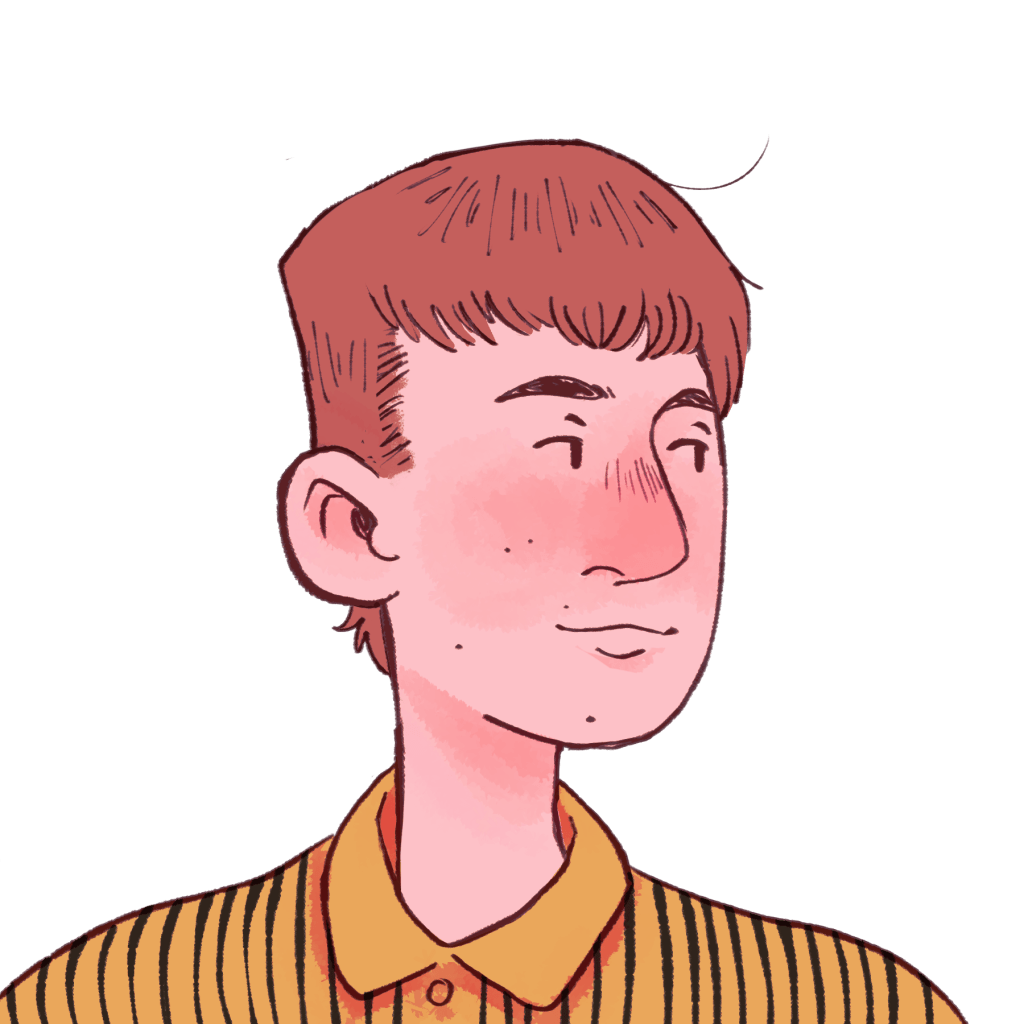
Joz Norris is the director extraordinaire of Sportsperson. He helped me turn my funny-story-about-a-time-I-fucked-up-plus-some-other-tangetially-related-things into a way of communicating how uncomfortable I feel about labels whilst still loving the messy and expansive identities that sit behind them and I am very, very grateful for all the work he has put into this project. He’s also very funny (Comedian’s Choice 2019 don’tyaknow)
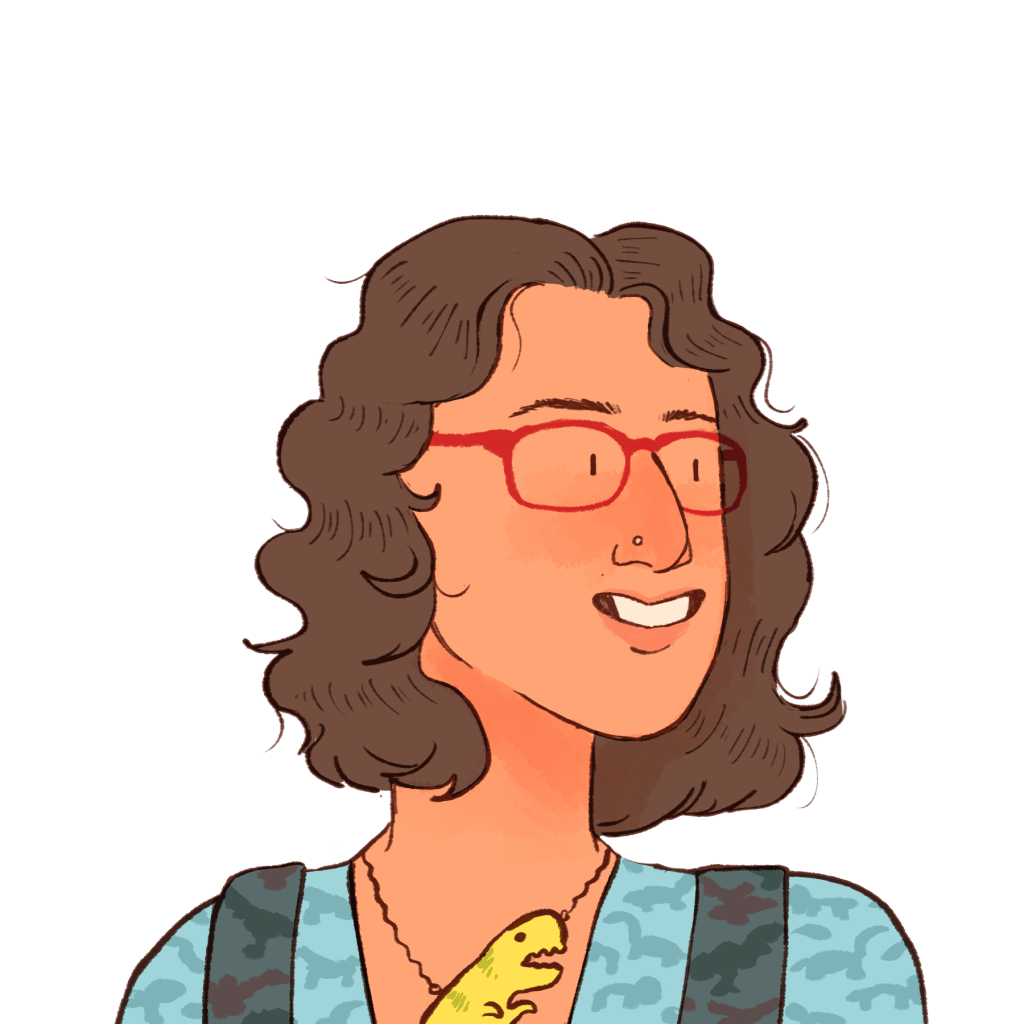
Izzie P made this zine. They are an artist, illustrator, doodler and humongous comedy nerd. I was very excited when he said he’d work on this project because, despite their opinions on Thomas Becket, I really like his work. Izzie did all the scanning (amazing) and arranging (beautiful) and illustrating (incredible) that you see here and also gave me lots of great advice. You should follow him on social media and look at all their art (and be like “wow, I love it”).
@KentishIzzie
Hana Ayoob ran all of our zine making workshops. She created a wonderful space for people to get stuck in and explore their experiences through art and was a lot of fun to work with. I told everyone that she was a professional zine maker but, actually, she’s a very talented illustrator, science communicator, gig organiser, MC, maker, crafty person and podcaster. She runs very funny online shows about science and you should definitely watch them from the comfort of your own home.
@Hana_SciArt

Susanna Clark is the puppet master behind this whole project. Through her company Ingenious Fools, she has organised all of the venues, coordinated all of the people and secured the Arts Council England bid which funded the whole damn thing. And, she did all of this whilst making an adorable little baby before passing the baton on to the startling competent Benjamin Alborough.
@IngeniousFools_ @BJAlborough
Sam Nicoresti aka Leicester Square New Comedian 2021 aka comedy’s odd prince of overthinking aka the mastermind behind my poster is a graphic design wizard and a very kind human. Thanks to Sam and the very talented Miranda Holms (@mirandaholms) photographer extraordinaire, my pocketful of inarticulate thoughts and awkward face got transformed into the lovely, lovely sunshine image that got you through the door.
@samnicoresti

Hello and thank you for coming to my show. I hope you liked it. I’m sorry I was such a mess. I mean it was such a mess. I mean, I’m sorry I made such a mess.
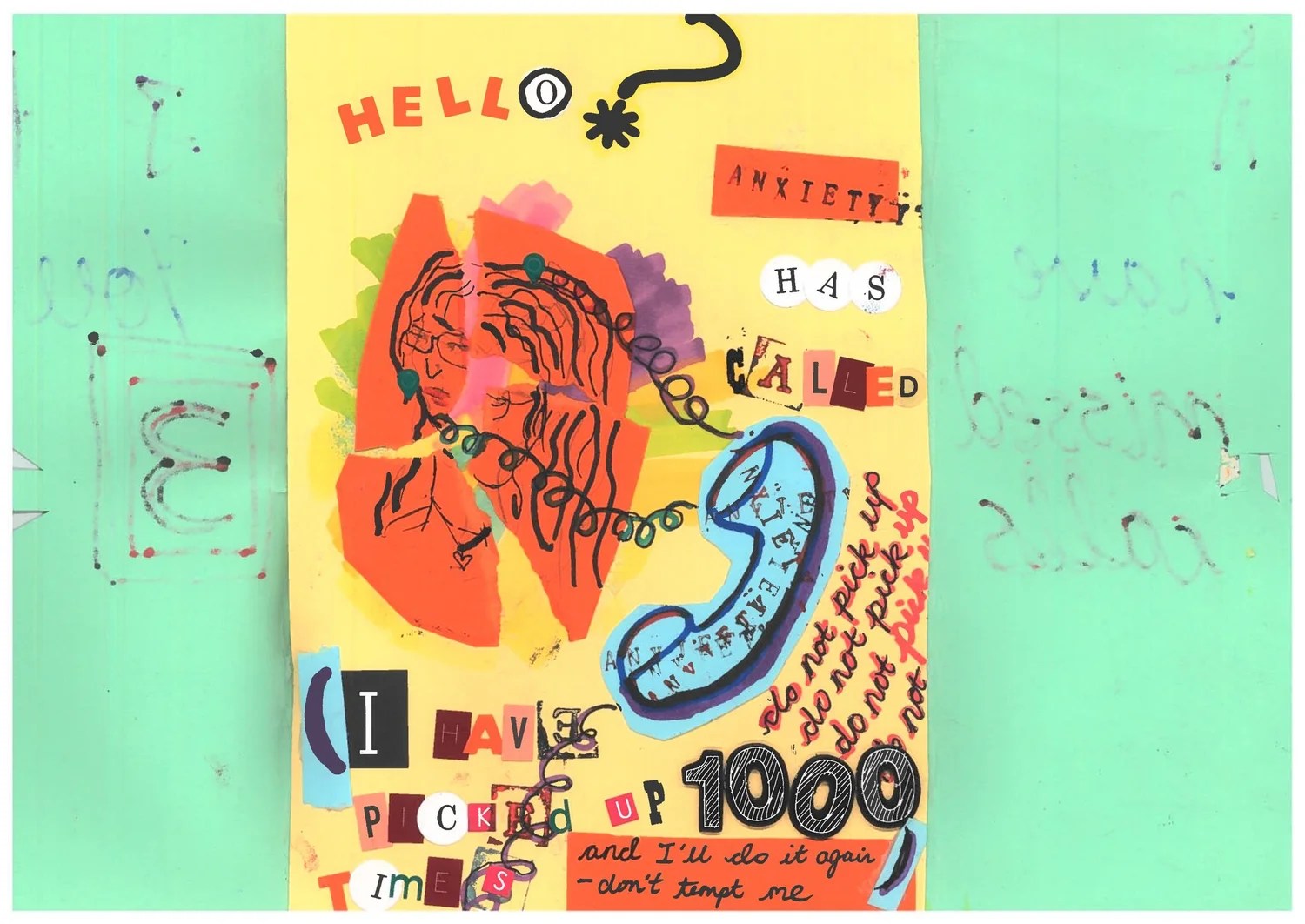
Do you make New Year’s Resolutions? I used to. Mine were always pretty basic. Between the ages of about 12 and 18 I wished to be cooler. My New Year’s Resolution was, relentlessly, to be more aloof. Obviously, they were never successful. I failed, repeatedly, and then I grew out of trained myself out of setting them and then in 2018 I had a bad time. I was finishing my PhD and I was very stressed and my parents were getting divorced and that was very stressful and I was getting worse and worse and every time I spoke to someone I came away terrified about everything I had said and not said and should have said and thought and did and I started to believe that everybody hated me and every time I went to bed I saw all the ways my loved ones would die on a loop over and over again.
And so, in 2019, I started a project (not a New Year’s Resolution). Not Overthinking Things 2019 was an attempt to reel in the intrusive thoughts and stopping myself. Through it, I was kinder to myself. I rethought my thoughts and I let the death montages wash over me and, eventually, my thoughts became kinder too and now I am happier than I was in 2018.
I have tried to replicate Not Overthinking Things 2019. I have done “Less Judgemental 2020” which ended pretty quickly because of the pandemic (and because it wasn’t a catchy enough title) and “Positive Mental Attitude 2021” which has really helped me rewrite my relationship with art and “Just Do It 2022” which was very expensive but a great one for the doubt in the back of your head and now I’m in “Be Chill 2023” which, I’m not going to lie, is not going very well.
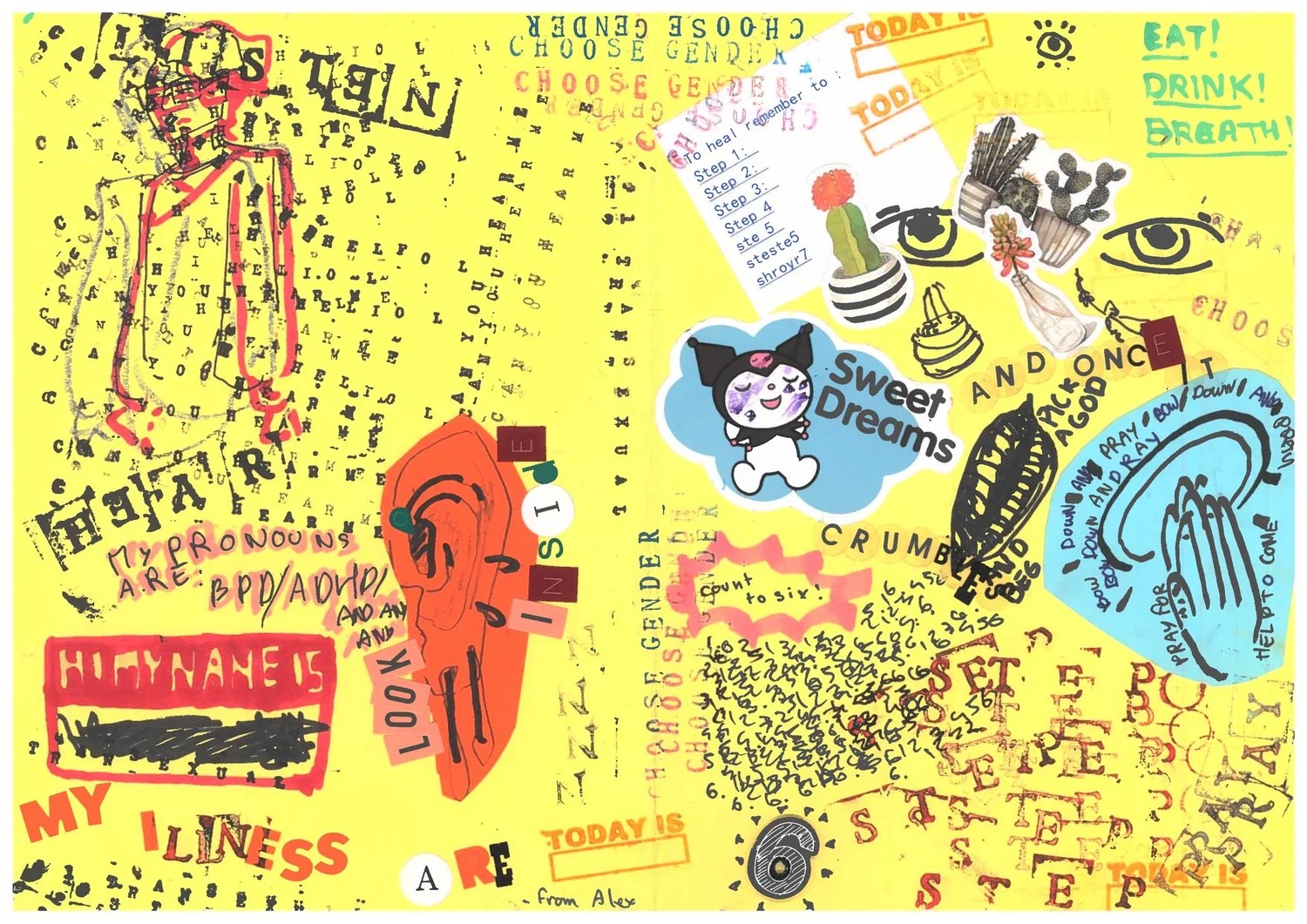
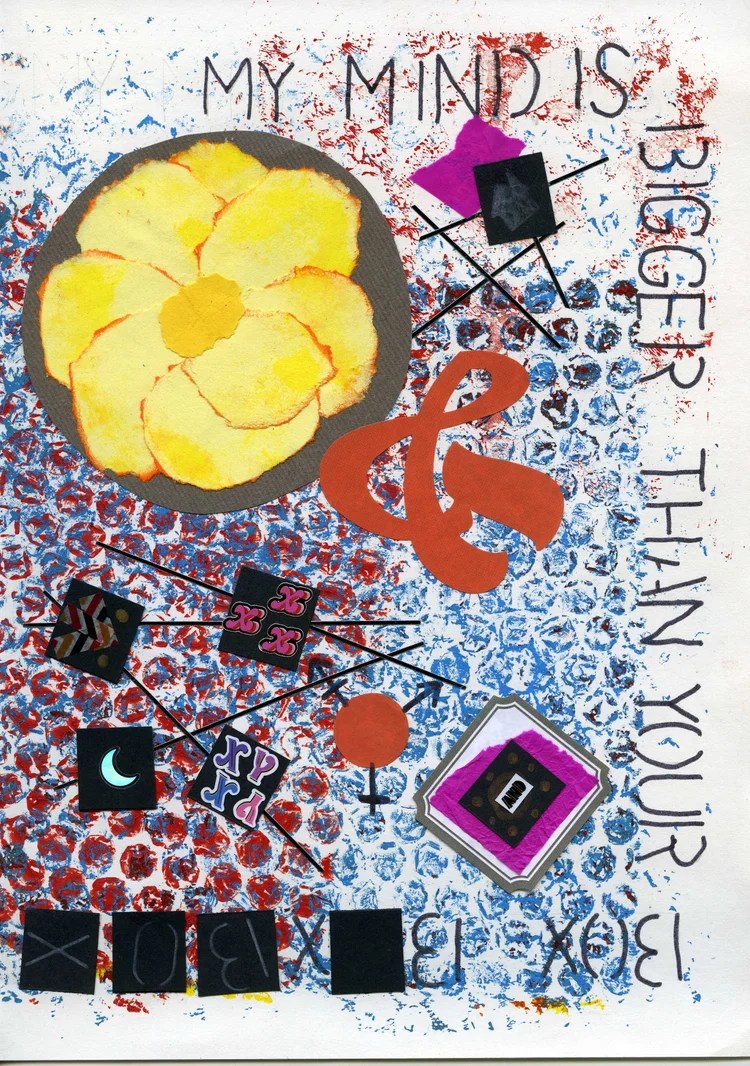
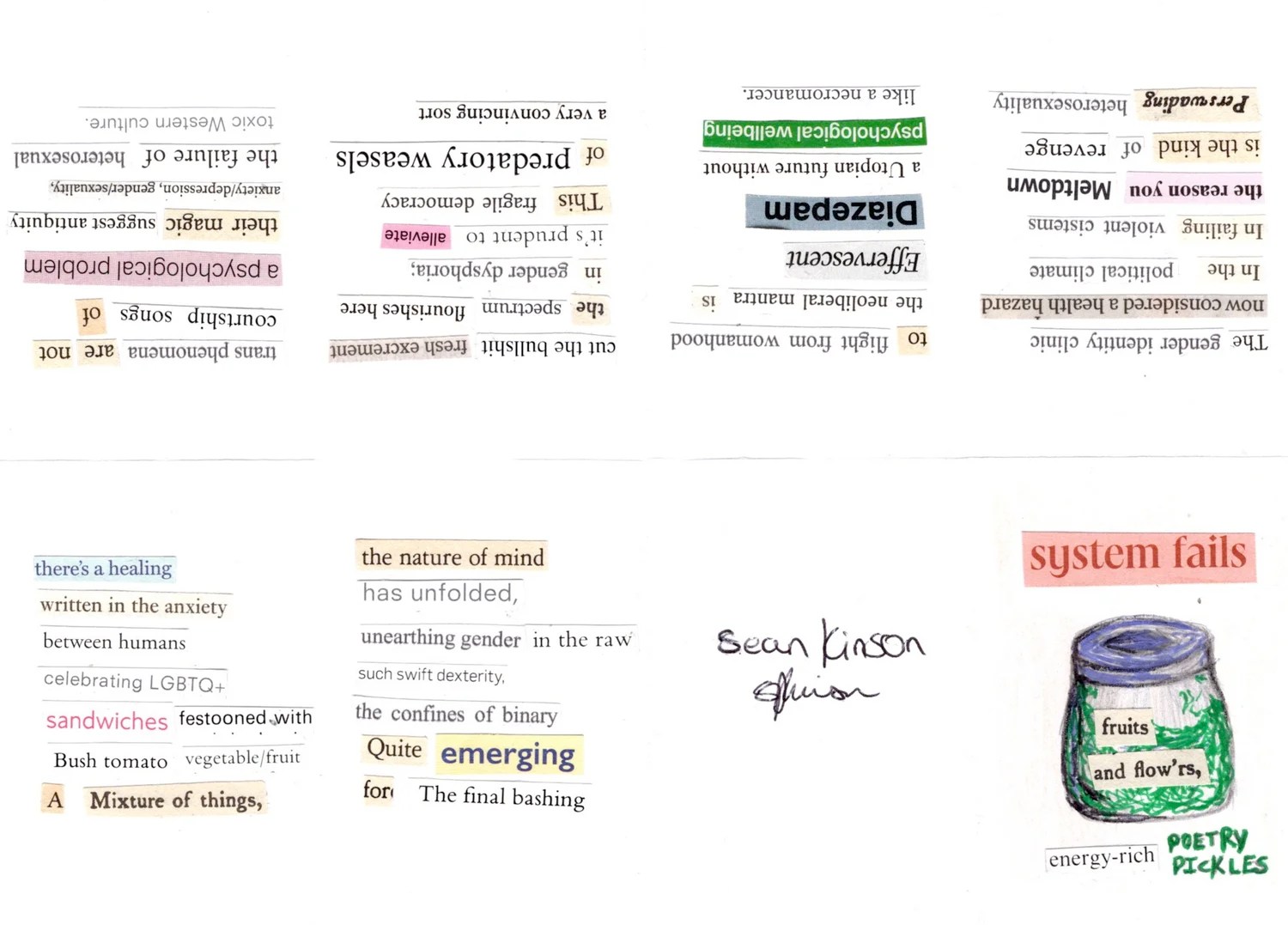
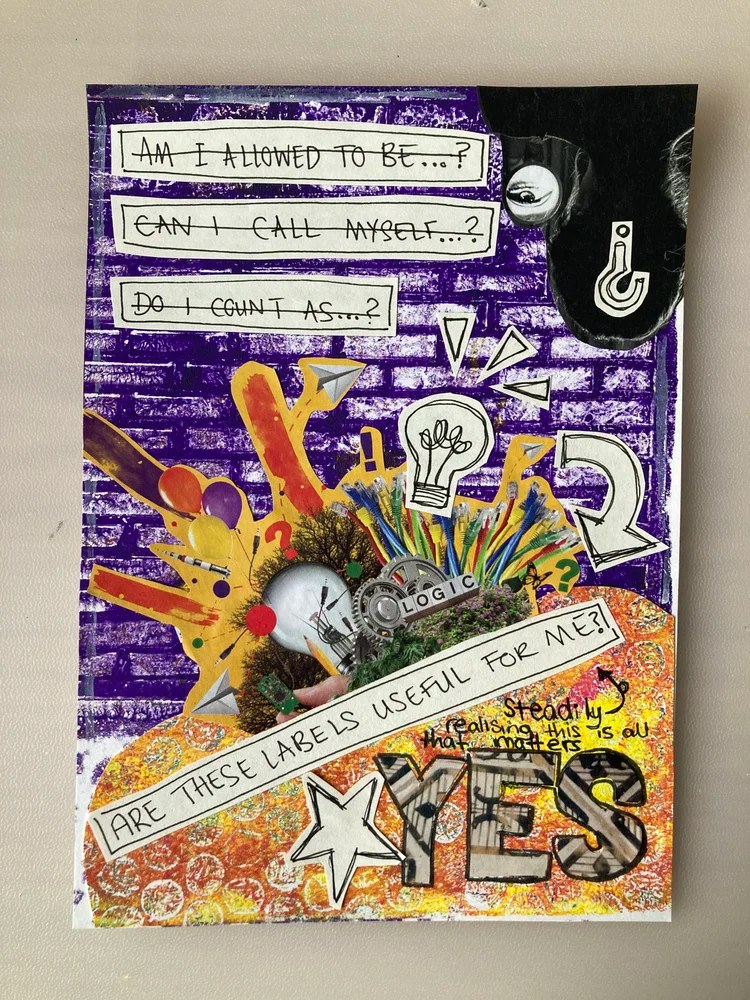
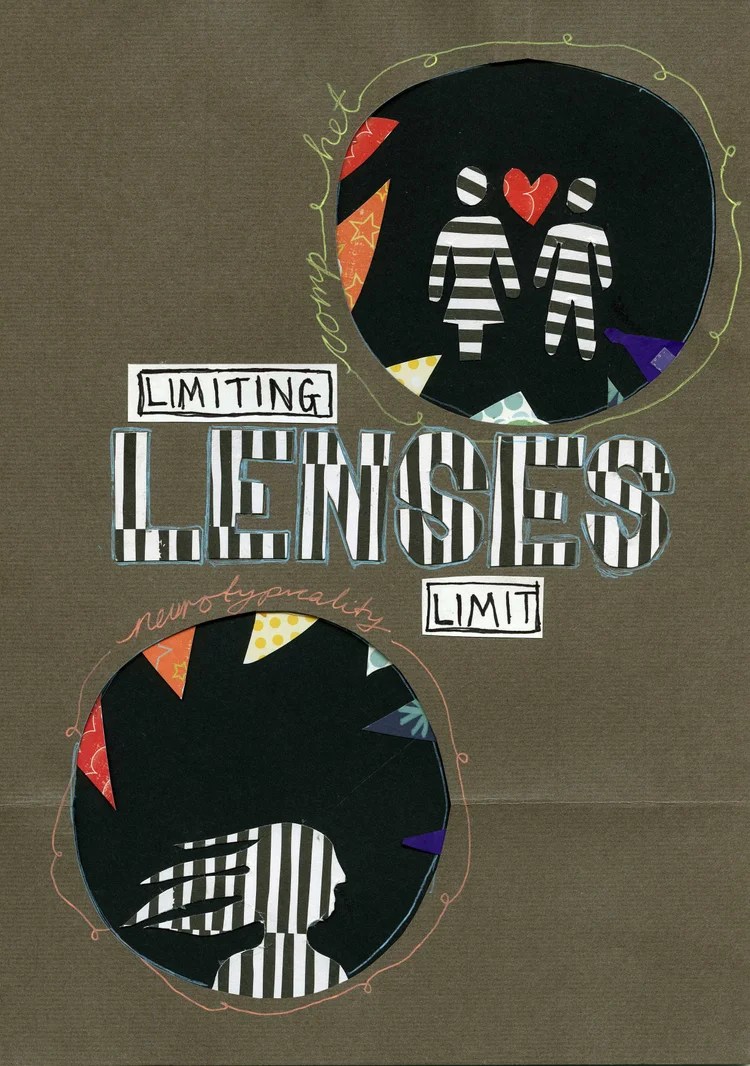
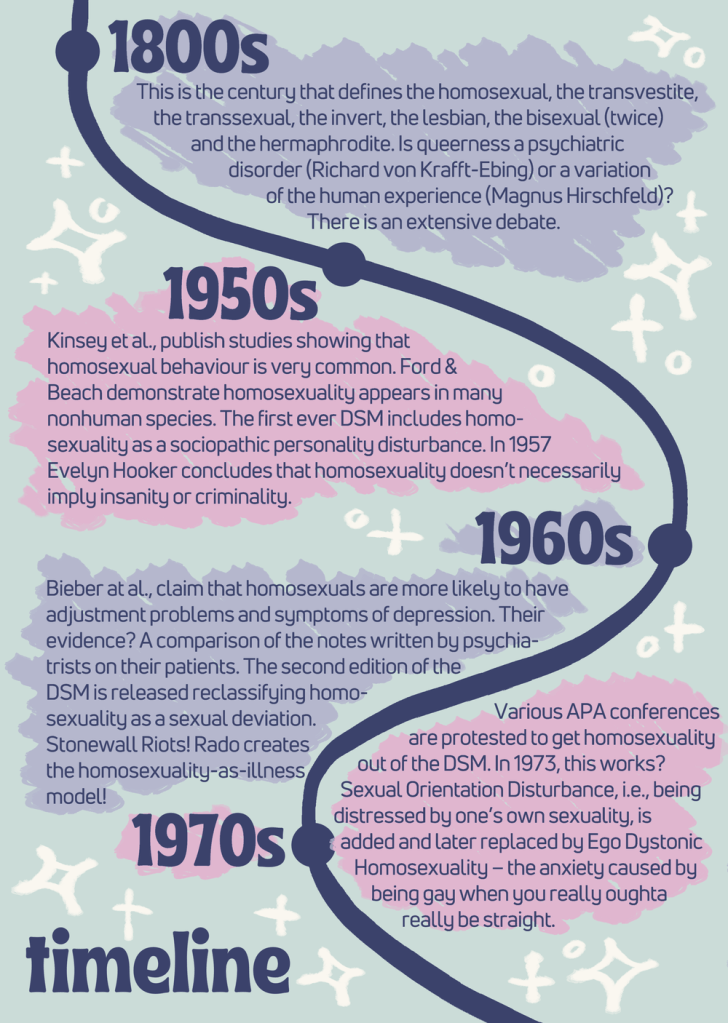
Sometimes I wonder if my brain is like this because I am autistic and gender queer and sometimes I wonder if I am autistic and gender queer because my brain is like this and then I wonder if I only wonder this because at some point in the last century (or the century before that) some psychiatrist decided what a bad brain was and declared that all bad brains were the same. To help develop this show I worked with other neuroqueer artists who live inside their brains about their experiences of having those brains labelled bad. This zine is their art.
I hope you like it. I’m not sorry it’s such a mess.
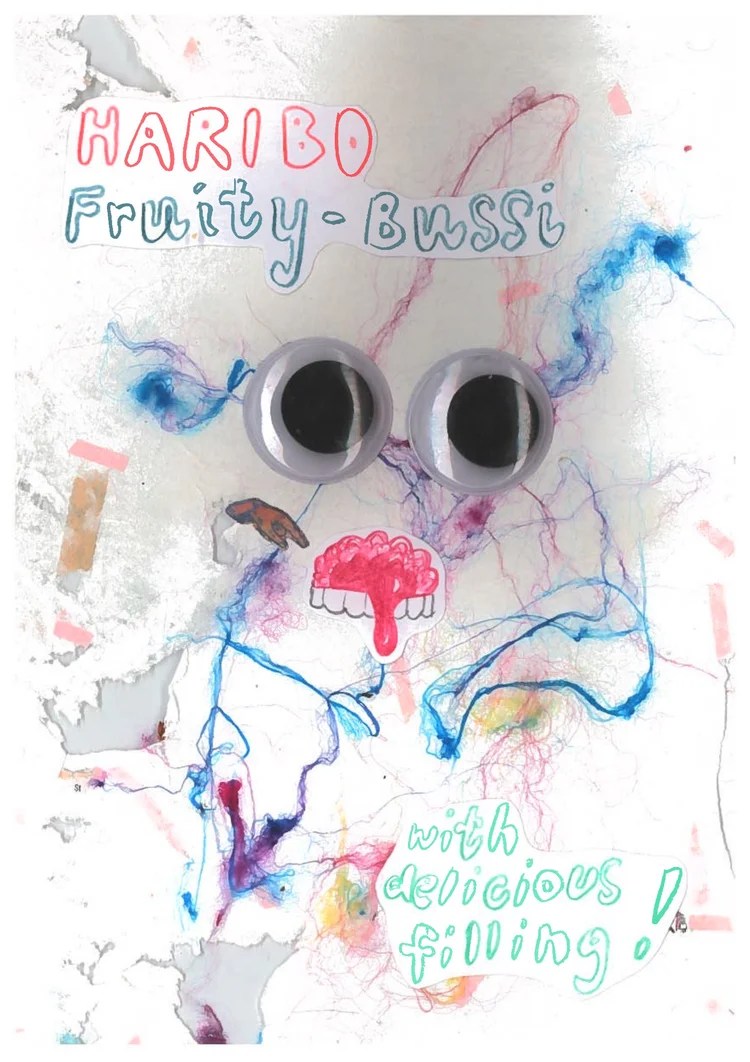
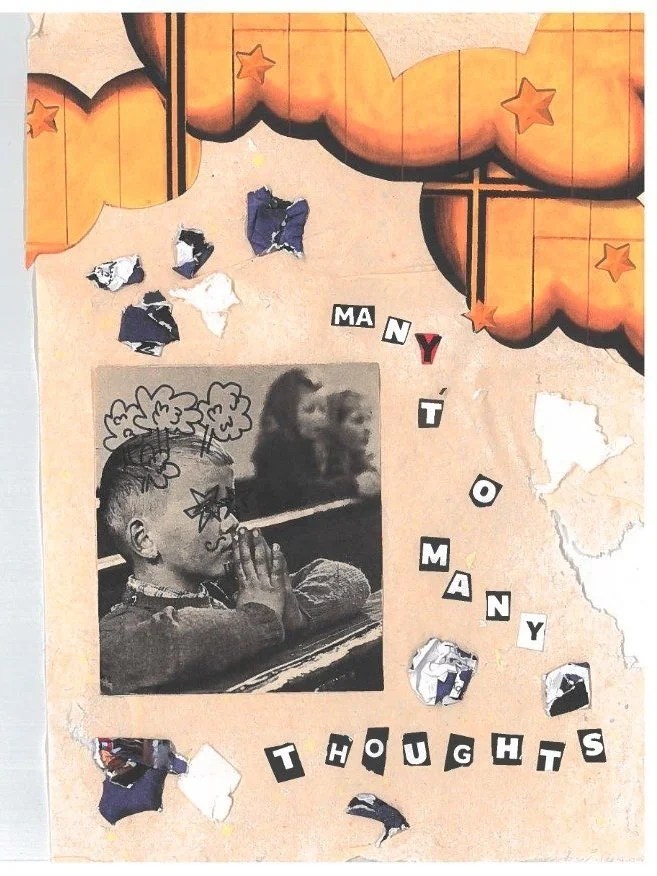

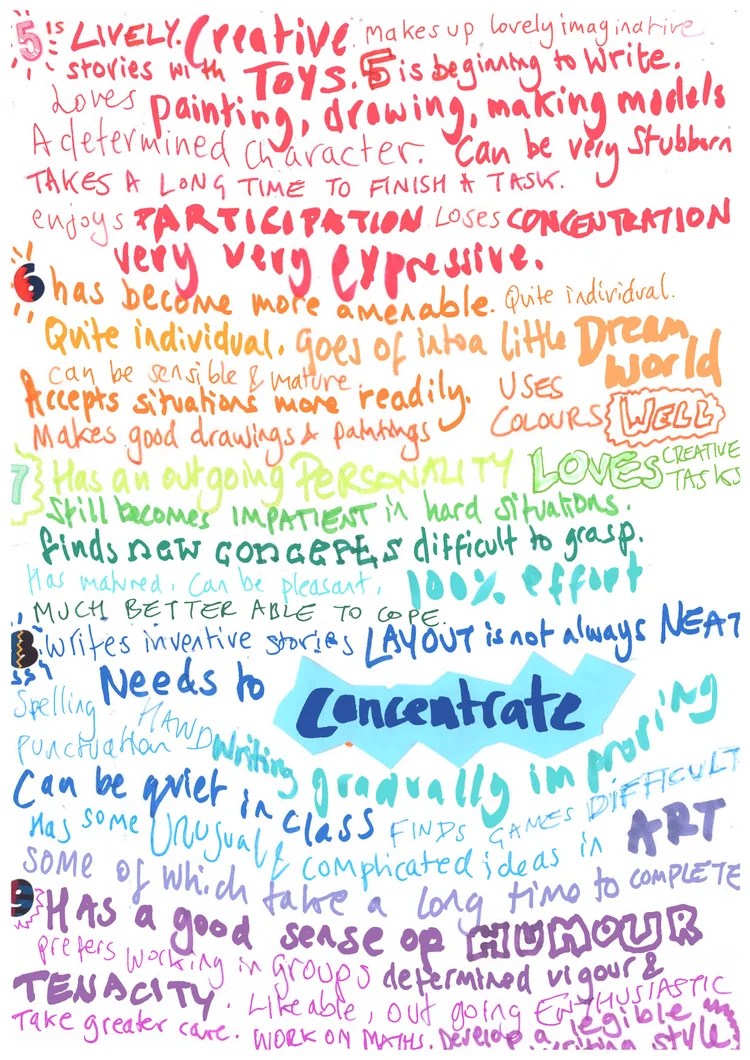
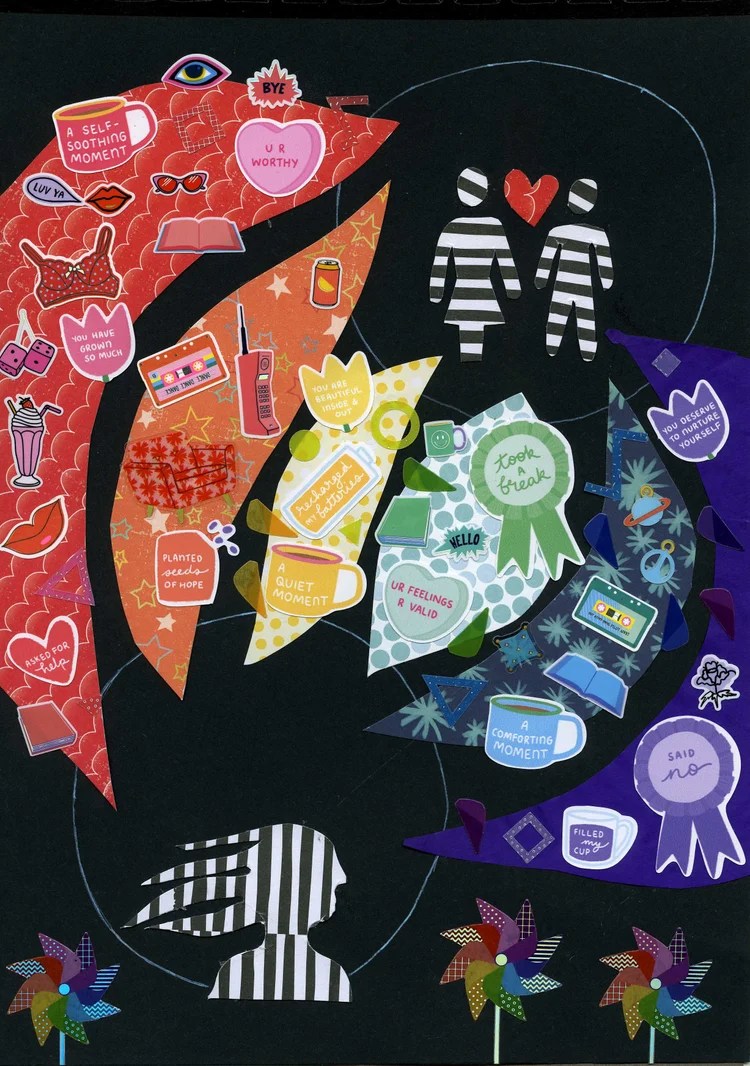
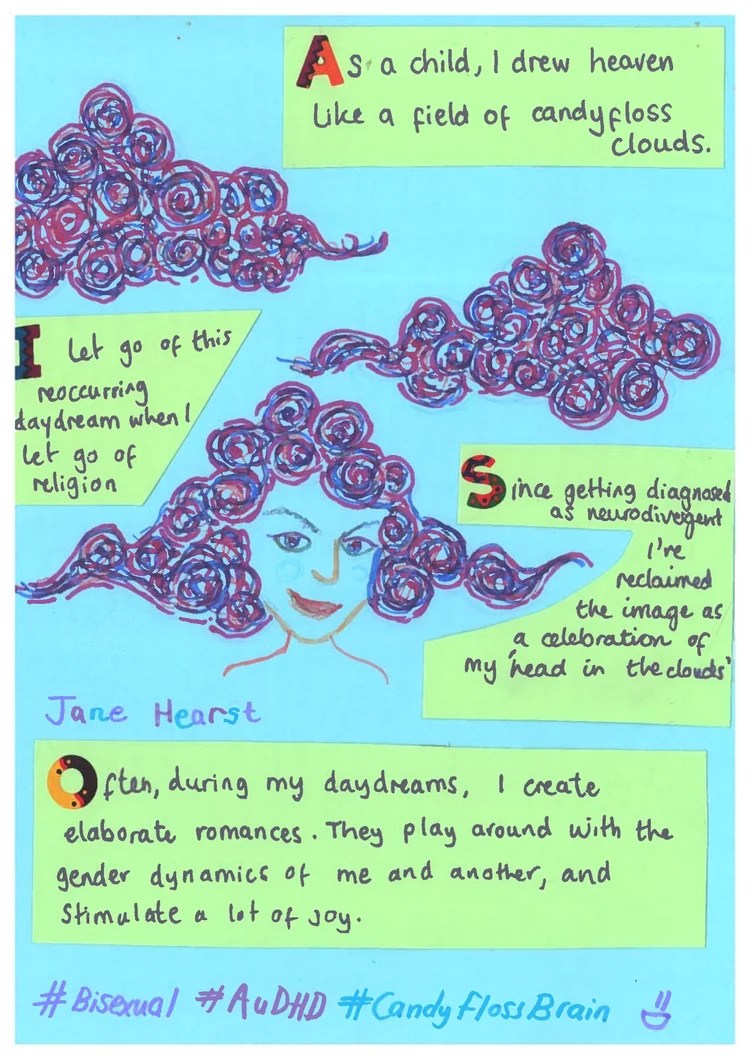


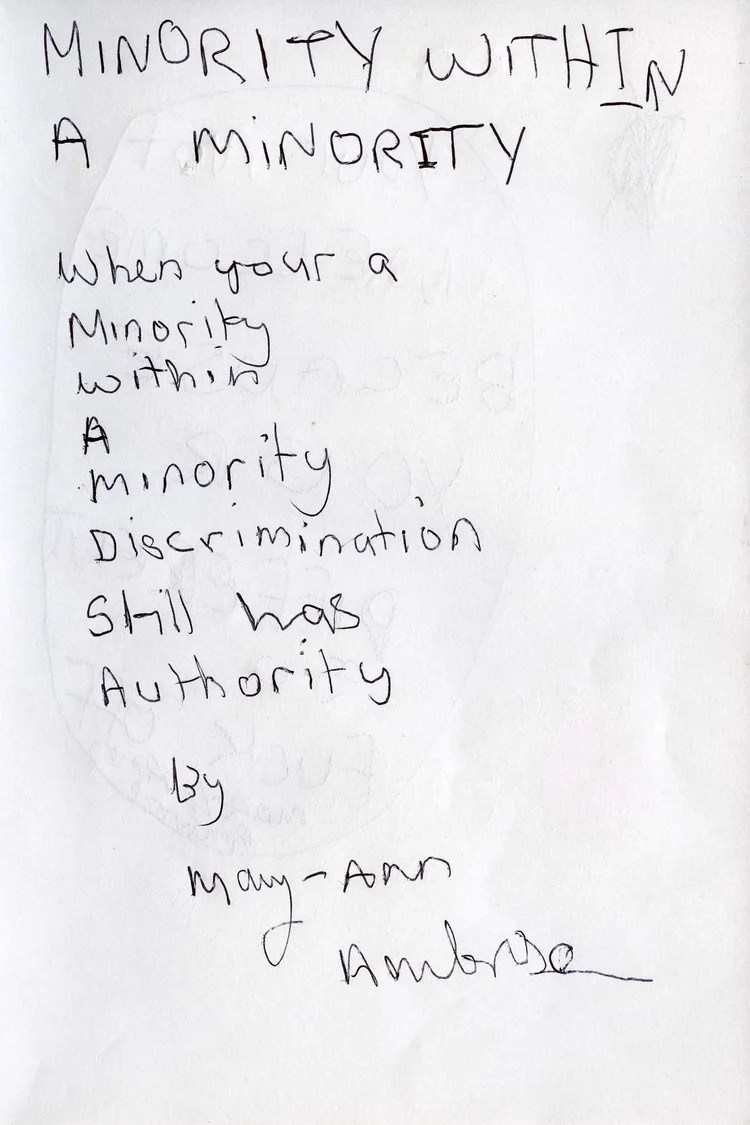

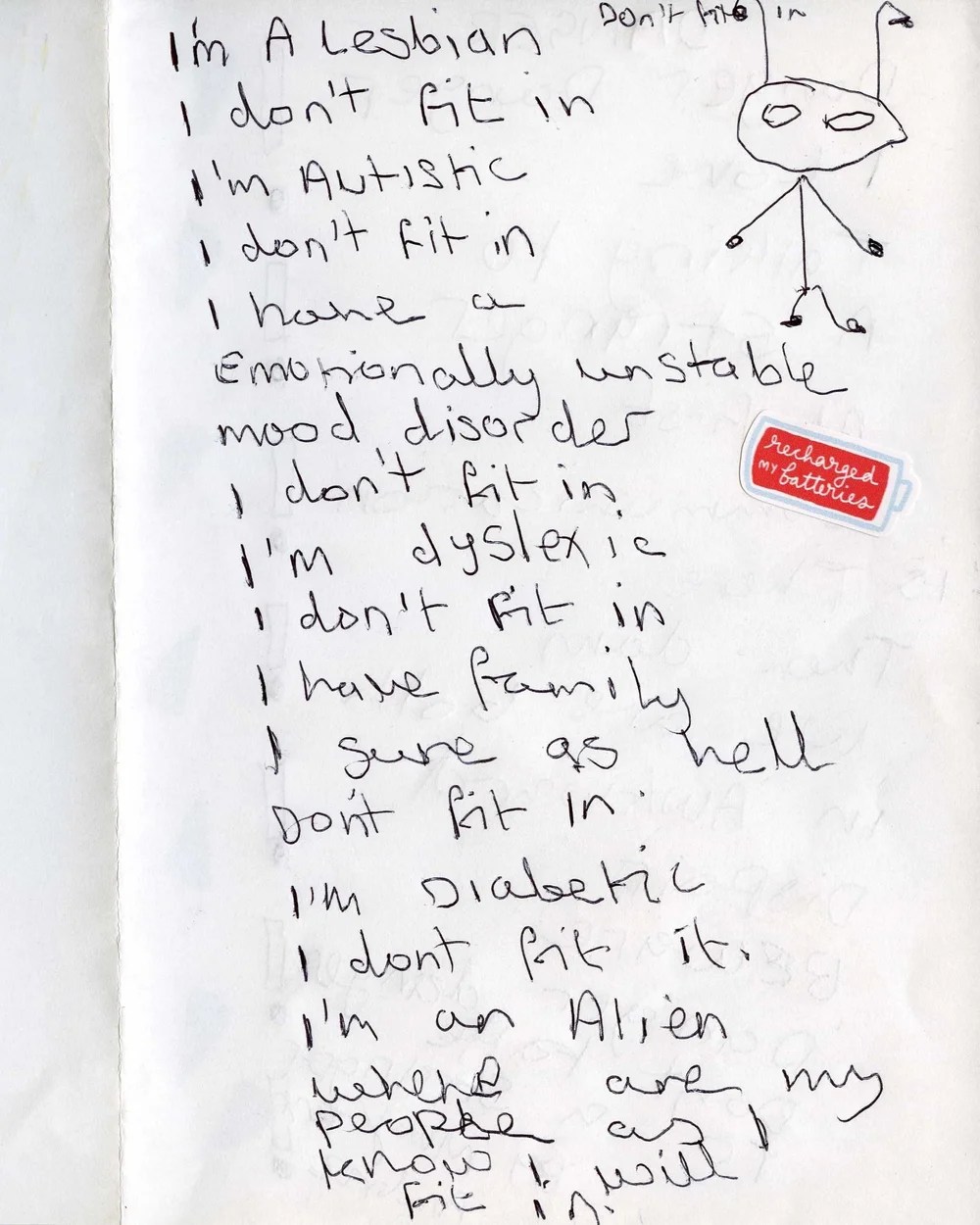
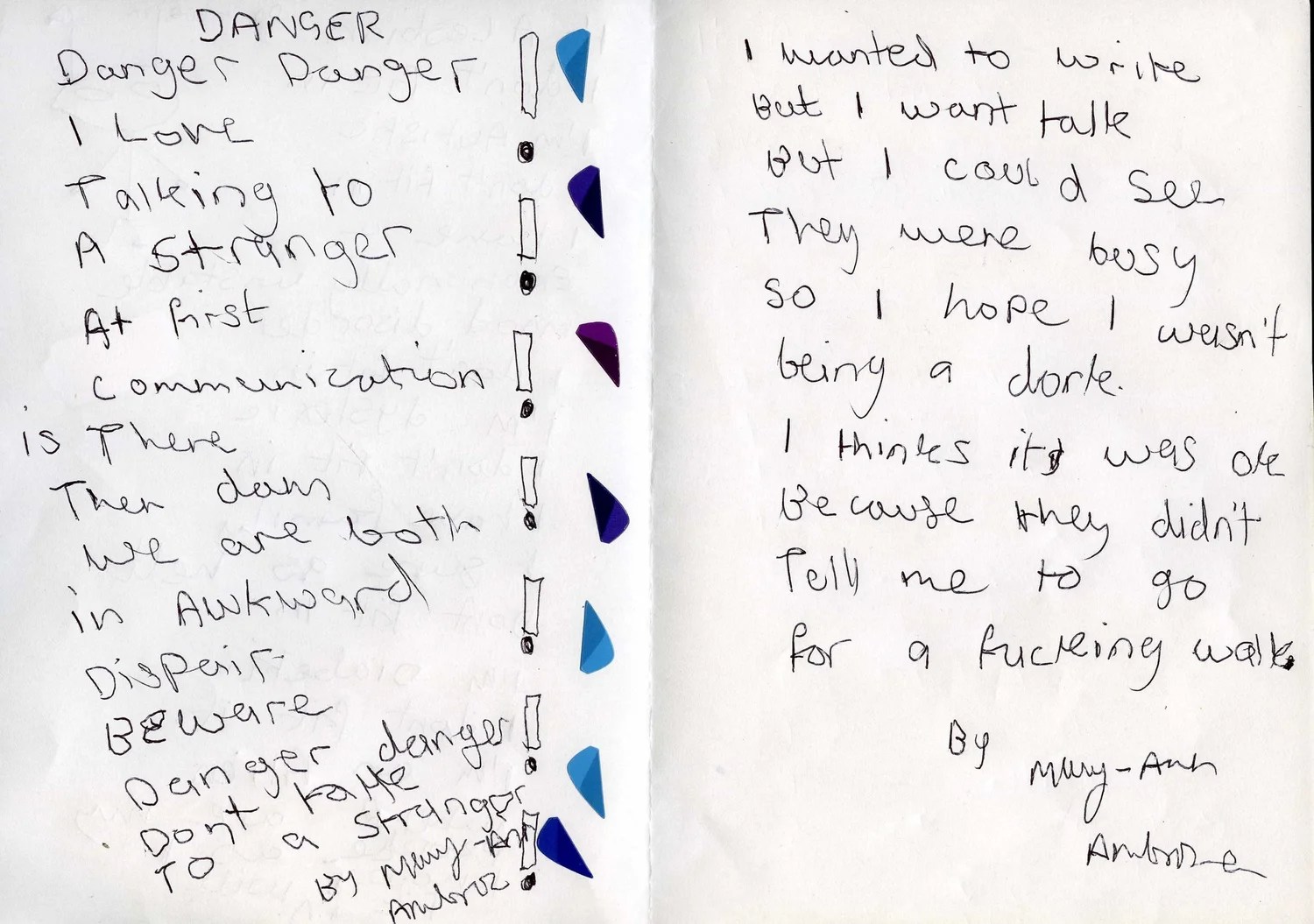


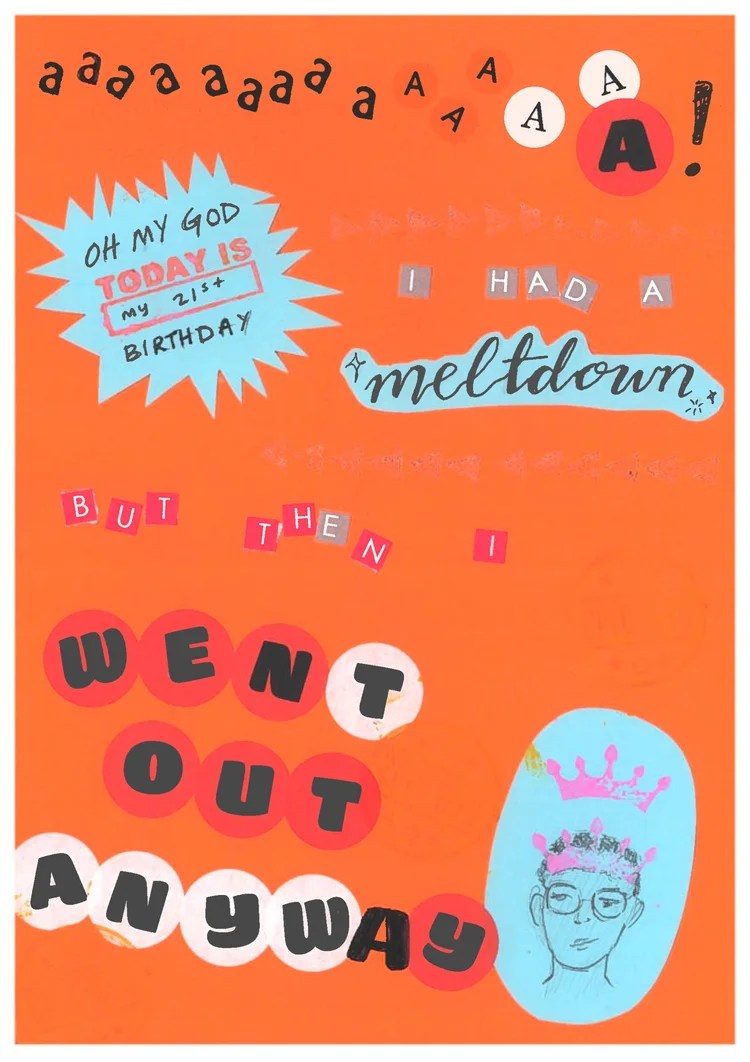
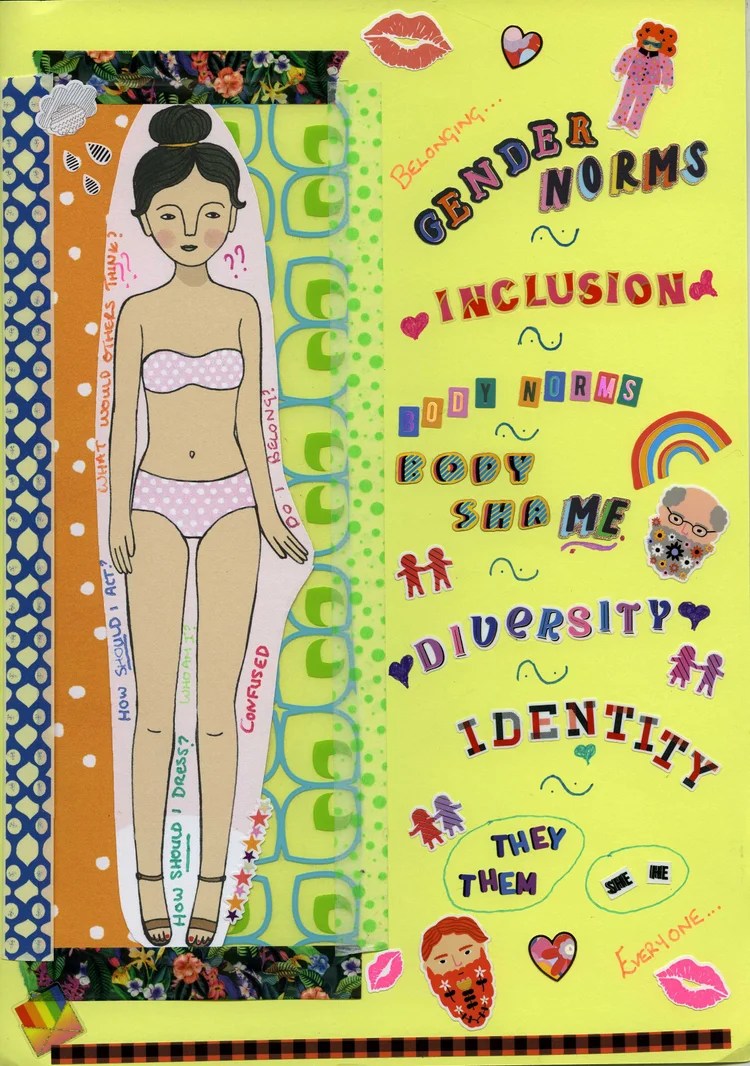
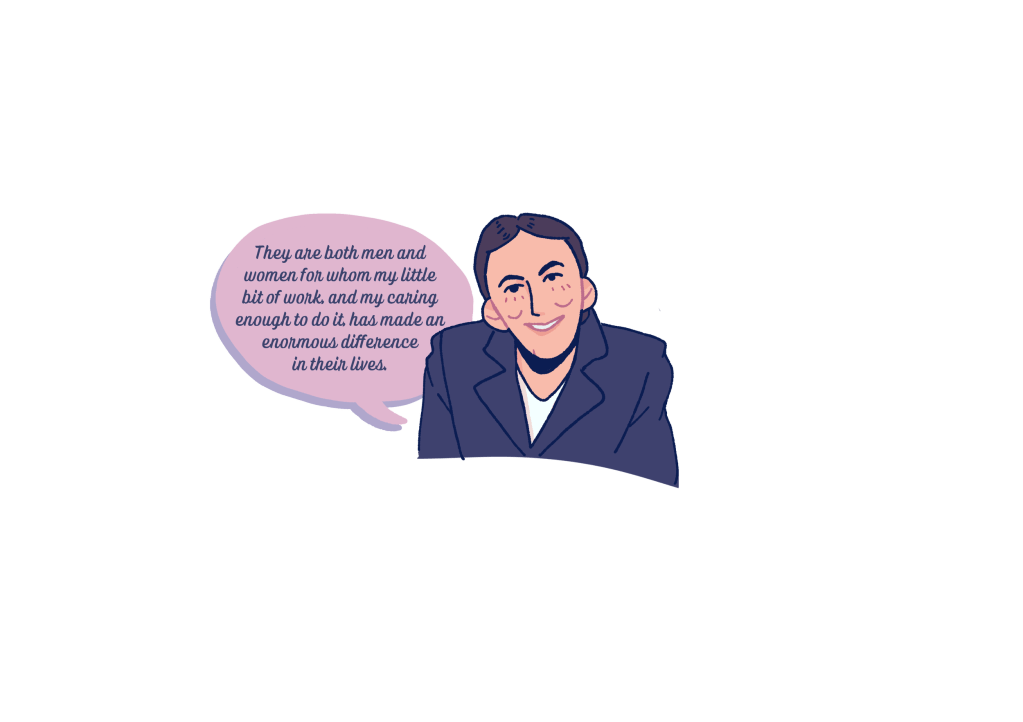
Thank god for EVELYN HOOKER, that’s all i can say. thank god for her 1.8m of height and the broad, broad shoulders upon which they built the modern gay rights movement (citation needed). what if, she said, we could do a study on homosexuals that aren’t in prison or institutions. you know, the good homosexuals, the ones that aren’t mad. if there’s a way to show that the gays aren’t insane, it’s surely studying the ones that aren’t already in the loony bin because the young homosexuals that i know, well they’re quite lovely actually and they take me dancing so i want to help them, you know, distance themselves from the depraved and the violent and the dangerous homosexuals who have also gotten themselves locked up.
The fact that she dared to study homosexual men caused quite the scandal as proved by the main man from the NATIONAL INSTITUTE OF MENTAL HEALTH getting on an actual plane and actually flying out to approve her grant in person so peculiar was the request for money for a project not to prove that homosexuals were a little queer of mind but actually quite the opposite.
EVELYN HOOKER looks like a good egg and was, by all accounts, one as well. she picked up the great big mess of research on queerness and mentalness and she said you’ve been cheating as it fell apart like wet toilet paper in her hands. she said, to all those scientists who thought that the homosexual brain was of a different species or, at least, a little spoiled, i bet that you can’t tell the difference between one of theirs and one of your own and they said we can and she said you can’t and she collected a little collection of RORSCHACH TESTS and gave them to some experts and said there you go, tell me which is which and, you know what? they couldn’t and then everything was right with the world and there has been no queer behaviour towards queers ever since.
they said what’s the trick and EVELYN HOOKER stood to her full height which was nearly 6 nebraskan feet but felt like more and said the only difference between my study and all the studies before it is that i found my research subjects through a nice young man who just happens to be one of my students, and when SAM FROM, and they said SAM FROM where, and she said stop she said SAM FROM is one of my brightest students and he said if you scientists studied gays like me instead of, like you, hanging around prisons and boxes and closets, if you made friends with some respectable young things then when you compare like with like you’ll find the queers aren’t so different after all.
You are not trans, you are just autistic.
There’s a small corner of the scientific literature reserved for the exploration of the intersection of being trans and being autistic. It began, as these things so often do, with a handful of case studies. Some psychologists in the nineties had patients who were autistic and presenting with gender dysphoria. They decided to investigate. No one can tell me what gender dysphoria is. No one really knows what autism is either, so, what happens when the people whose job it is to make abnormal subjects normal try to understand the link between two poorly defined undefinable “conditions”? They panic. They start to worry about these poor autistic kids who are chattering peculiar nonsense about their genders all of a sudden and the access they might acquire to hormones and surgery and life altering body-modifications and they become determined to get to the bottom of it. It’s very important that we understand why so many autistic people have been hoodwinked into thinking they’re trans, they say.
You are not trans, you are just autistic.
Their investigations have led to the conclusion that, according to science, you are not trans, you are actually just obsessed with the sensations of femininity. You don’t want to wear dresses because you are a girl, you just want to touch them because you are autistic. You are not trans, you just have an extremely male brain. You don’t want to be treated as a boy because you are a boy, you just don’t feel like a girl, because you are autistic. According to science, you are not trans you just don’t realise that it’s not ok to transgress gender norms. You are just more rigid about gender norms. You just can’t relate to your peer group. You just don’t understand yourself. You just cannot connect to your body. You are just not doing cis right. Because you are autistic.
You are not trans, you are just autistic.
People are very afraid of what might happen if autistic people (de)transition. All of the science says that transness isn’t real and that autistic people don’t really know themselves so they need to be protected from this new phenomenon before they do something irreversible to hurt themselves. [There is only the true self and the doctor’s job is to help you find that true self and be it forever. There is nothing worse than change.] The idea that we might be afforded the ability to experiment with gender or the agency to reject the construct of gender itself is inconceivable. [Don’t forget, there is a correct answer here. You are something and science exists to help everyone else work out what that is.] They have their theories. Everyone and the Parent of An Autistic Child has their theories and it’s ok to speculate because real harm is being done here. [Autistic children are 3, no 6, no 10 times as likely to want to paint their nails and use a handbag and refuse to put on skirts and ask when they’re going to grow a penis and feel more comfortable as some kind of they than anything else and break the rules that everybody else agreed without telling us than normal children and we can’t have that.]
You are not trans, you are just autistic.
It is very important to understand why there are so many trans and autistic people these days and the answer cannot be just that we are looking for them. Trans and autistic are both bad adjectives and so if being autistic makes you trans then we know that trans is a bad thing because it is caused by a broken thing. Glitches in the system must be fixed.

This zine would not be possible without lots of wonderful people and so it is now time to thank and celebrate them. The London LGBTQ+ Centre and Colchester Arts Centre provided us with spaces to meet and create. Arts Council England funded this project which enabled us to provide all the materials and give away the zine for free. And we are so very grateful because whilst you can make art without money, money does make things a lot easier.
And now, to the artists! Thank you so much to everyone who contributed their work. It has been exciting and inspiring to collaborate and work alongside such talented people who have been so generous with their time, thoughts and practice.
Aleks Jagielski, Alex, Alia, Beth, Hana, Jane Hearst, Janet Luo, Jen Rooks, Mary-Ann Ambrose, @ohfeelingsmonster, Pseudonym, Rowanna Cadman-Bell, Sammie Ife, Sarah Ali, Sarah Saeed, SahNwn Nessebik, Sean Kinson
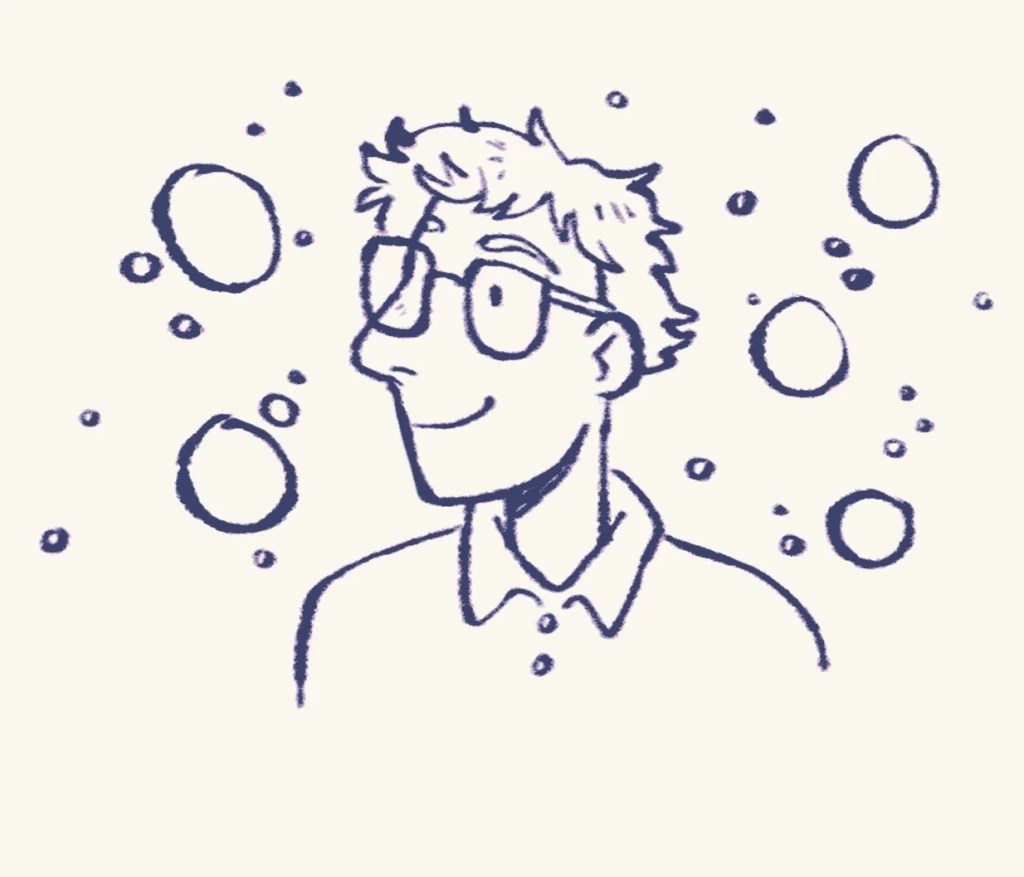
Elf Lyons directed Not Overthinking Things 2019. Her kind and careful approach took the show to the next level and her advice has been invaluable and generous. She is an award-winning comedian and theatre maker.
@elf_lyons
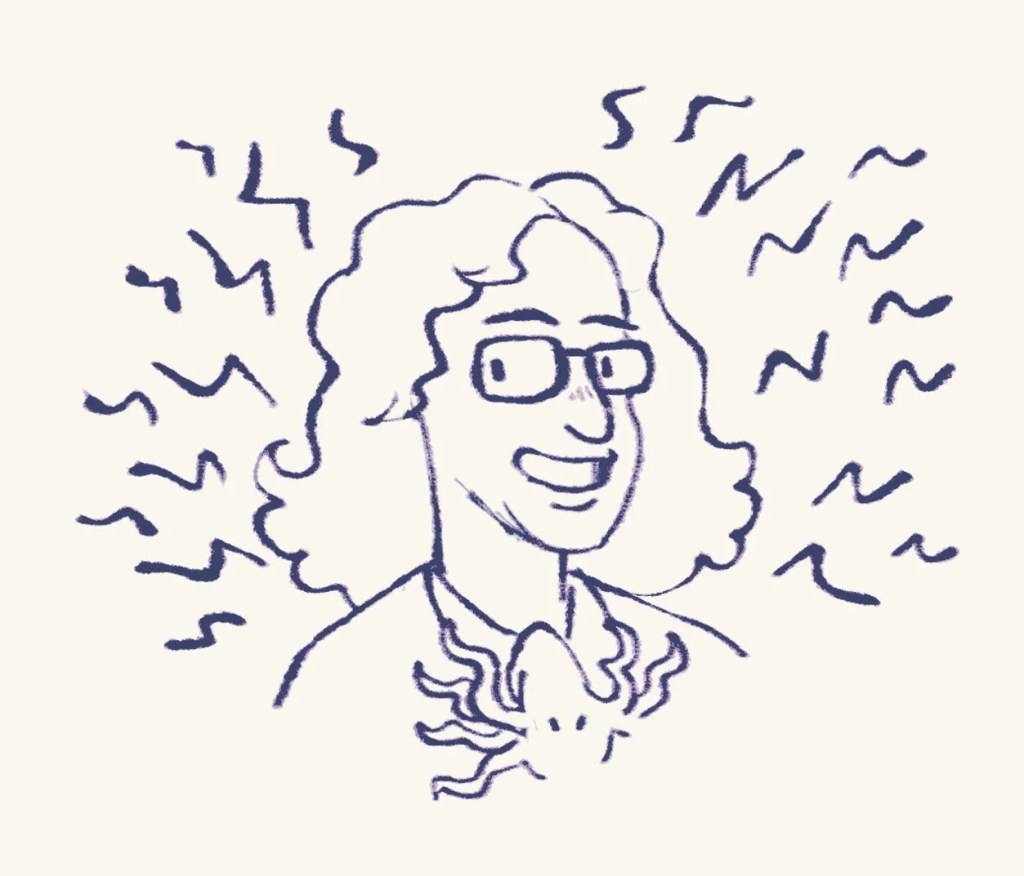
Hana Ayoob is a science communicator and illustrator, who adores zines as an outlet for communication, expression and community. She’s only recently started pondering her own relationship to queerness and neurodivergence.
@Hana_SciArt
Izzie P. made this zine, tech-ed the Boyz Nites and designed the poster for Not Over Thinking Things 2019. They are an artist, illustrator, doodler and humongous comedy nerd. You should follow him on social media and look at all their art (and be like “wow, I love it”).
@KentishIzzie
Susanna Clark is the puppet master behind this whole project and a producer extraordinaire. Through her company Ingenious Fools, she has organised all of the venues, coordinated all of the people and secured the Arts Council England bid which funded the whole damn thing.
@IngeniousFools_
I had a lot of help during Not Overthinking Things 2019 and if you need your own project then you shouldn’t have to do it alone.
These resources might be useful:
LGBT Helpline Scotland 0300 123 2523
MindLine Trans+ 0300 330 5468
Samaritans 116 123
 Cerys Bradley